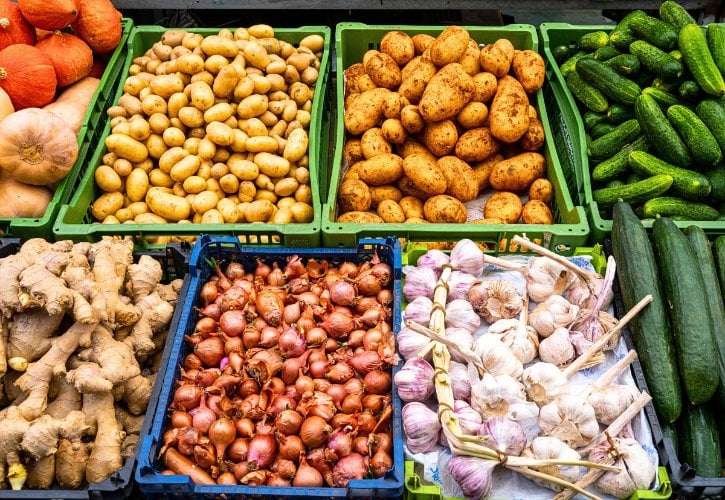
Most of us do the same thing after a grocery run. We unpack everything and put it straight into the fridge. It feels like the safe move.
But some vegetables actually lose their flavor, texture, and freshness faster when stored cold. From potatoes and tomatoes to garlic and basil, the fridge can do more harm than good.
In this guide, you’ll learn which 10 vegetables to keep out of the fridge, what goes wrong when you don’t, and the best way to store each one at home. 😊
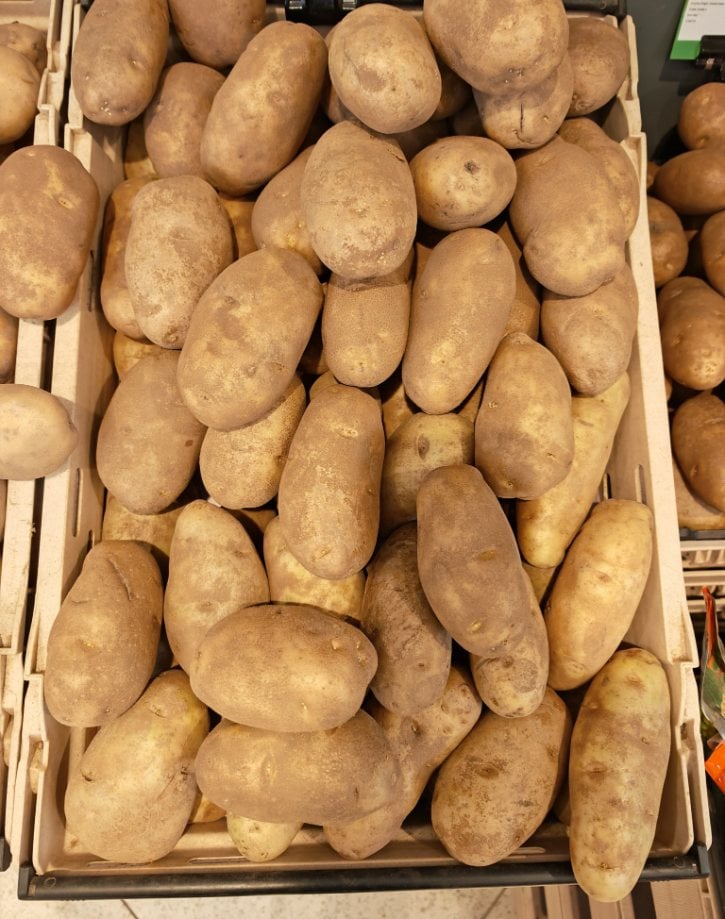
1. Potatoes
Why the Fridge Is a Problem
Almost everyone keeps potatoes in the fridge to slow down sprouting, but cold storage causes a bigger issue.
- The cold converts potato starches into sugars, giving them an oddly sweet, gritty taste
- Those extra sugars create higher levels of acrylamide when you fry, roast, or bake at high heat
- Acrylamide is a chemical that food safety agencies recommend reducing in your diet
- The FDA specifically advises storing potatoes outside the fridge for this reason
How to Store Them
- Keep them in a cool, dark, well-ventilated place like a pantry or cupboard
- Use a paper bag, mesh bag, or ventilated basket so air can circulate
- Avoid light exposure, which causes greening and produces solanine, a natural toxin that can cause stomach discomfort
- Keep them away from onions. They make each other spoil faster when stored together
Read More: How to Keep Potatoes from Sprouting
When the Fridge Is Okay
- Cut or peeled potatoes can go in the fridge submerged in water for up to 24 hours to prevent browning and reduce excess starch
- Cooked potatoes should always be refrigerated within two hours
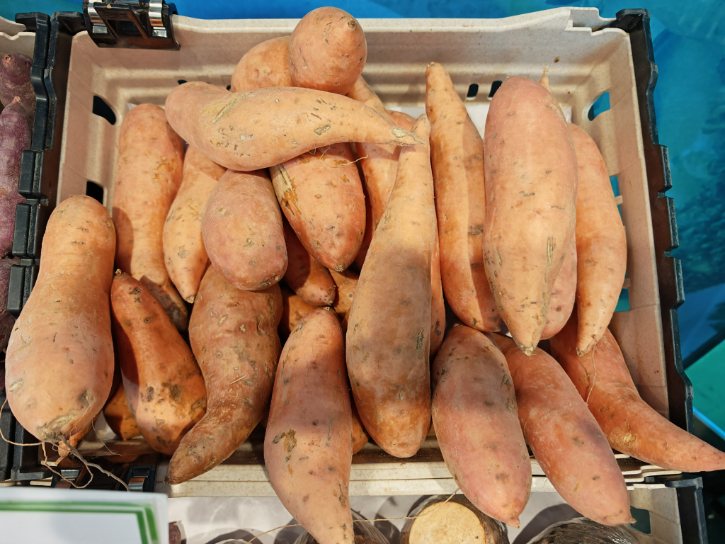
2. Sweet Potatoes
Why the Fridge Is a Problem
Many people put sweet potatoes in the fridge thinking it will keep them fresh longer, but cold storage does the opposite.
- The cold can cause a condition called “hard core”, where the center stays woody and tough even after cooking
- The flesh becomes dry, spongy, and sometimes develops white patches, a condition called pithiness
- Both the texture and natural sweetness are ruined
How to Store Them
- Keep them in a cool, dry, dark place like a pantry or cupboard
- Use a loose basket, paper bag, or ventilated container that allows airflow
- Never wash them before storing, as the extra moisture promotes mold
- Handle gently to avoid bruising
Signs They’re Going Bad
- Soft or mushy spots, discard right away
- Wrinkled skin with a bitter taste, oozing liquid, or a foul smell, time to discard
- Small sprouts are fine if the sweet potato is still firm. Just trim and use quickly
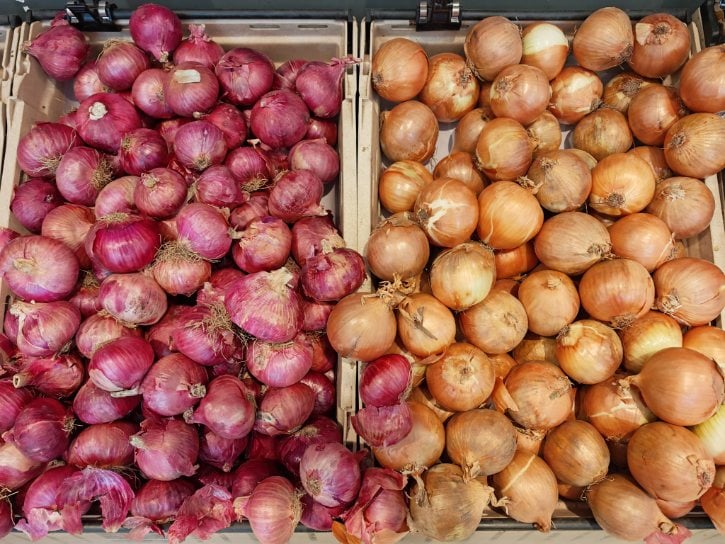
3. Onions
Why the Fridge Is a Problem
Whole onions are designed for long-term storage in dry, open air. The fridge works against them.
- Refrigerators are humid to keep leafy greens crisp, but that moisture softens onions’ papery layers and creates conditions for mold
- The cold can trick onions into sprouting once removed from the fridge
Read More: These Onion Signs Tell If It’s Fresh or Already Going Bad
How to Store Them
- Keep whole onions in a dry pantry, cupboard, or ventilated basket
- Use a mesh bag, open basket, or breathable container
- Keep them away from potatoes, since the two make each other spoil faster
When the Fridge Is Okay
- Once cut, wrap tightly or place in a sealed container and refrigerate. Use within two to three days
- Green onions and scallions are different from bulb onions. They do best stored in the fridge
4. Garlic
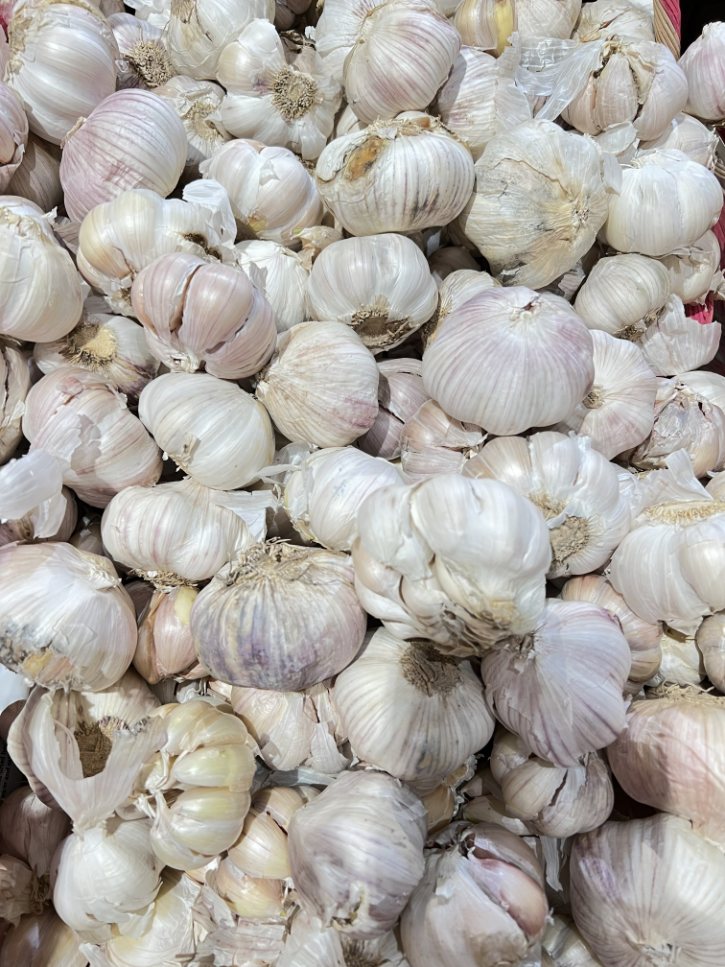
Why the Fridge Is a Problem
Whole garlic bulbs prefer dry conditions with good airflow. The fridge creates the opposite.
- The cold and humidity encourages cloves to sprout, which consumes the flavorful compounds that give garlic its punch
- Sprouted garlic becomes shriveled, rubbery, and bitter
How to Store Them
- Keep whole bulbs in a cool, dry cupboard or pantry away from sunlight
- Use a mesh bag, garlic keeper, or open basket
- Never store in sealed plastic bags, as trapped moisture leads to mold and sprouting
A Safety Note About Garlic in Oil
- Peeled or chopped garlic stored in oil at room temperature can create conditions for botulism, a serious foodborne illness
- Always refrigerate homemade garlic-in-oil and use it within four days
- For longer storage, freezing is the safest option
5. Tomatoes
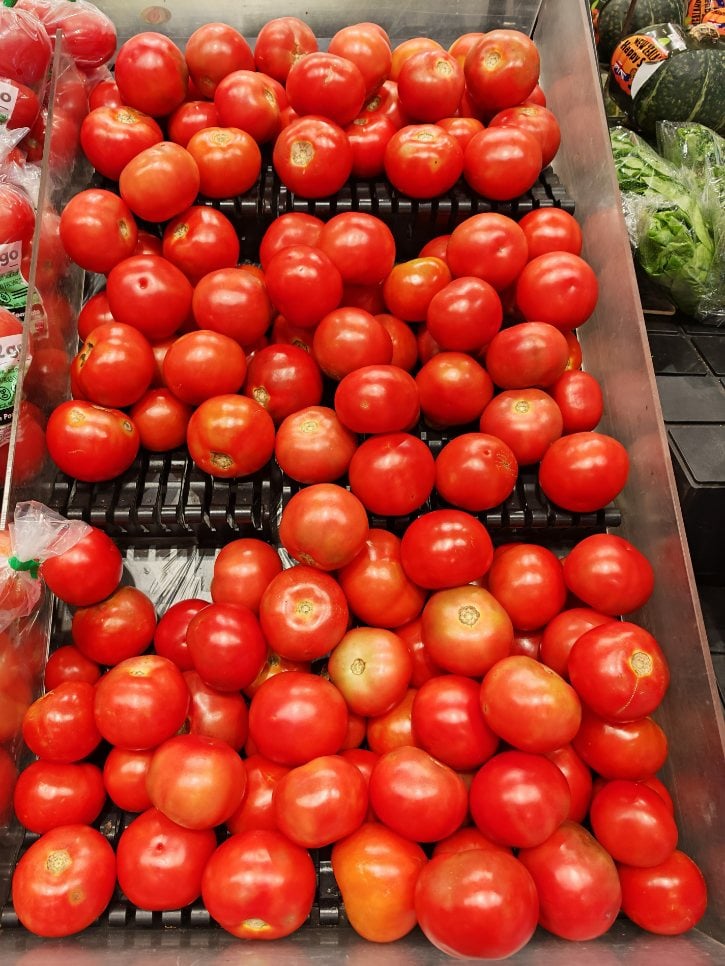
Why the Fridge Is a Problem
This one surprises a lot of people. The fridge damages tomatoes in two ways.
- Cold temperatures shut down the enzymes that create a tomato’s flavor, blocking the aroma compounds that matter most
- The cell walls in the flesh rupture in the cold, turning tomatoes mealy and mushy
- Even if you bring them back to room temperature, the flavor never fully recovers
How to Store Them
- Keep them on the countertop at room temperature, away from direct sunlight
- Store in a single layer to prevent bruising
- Place ripe tomatoes stem-side down to reduce moisture loss
- For green or unripe tomatoes, a paper bag at room temperature helps them ripen
When the Fridge Is Okay
- Very ripe tomatoes you can’t eat right away can handle a short stay in the fridge, up to two days
- Bring them back to room temperature before eating to recover some flavor
- Cut or sliced tomatoes should always be refrigerated within two hours
6. Winter Squash
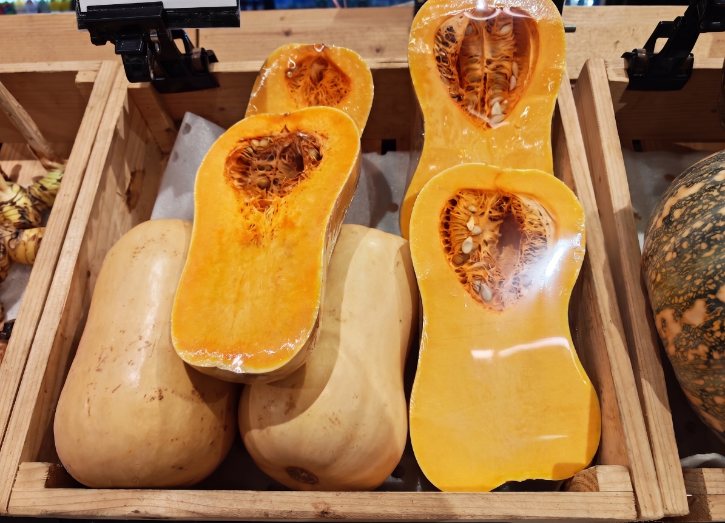
Why the Fridge Is a Problem
Varieties like butternut, acorn, and kabocha have thick rinds designed for long storage without refrigeration.
- The high humidity inside the fridge promotes mold on the rind
- Cold temperatures cause chilling injury, leading to rapid softening and a dry, pithy interior
How to Store Them
- Store whole, unwashed squash in a cool, dry pantry, shelf, or storage rack
- Make sure there’s airflow around each squash. Don’t stack them tightly
- Keep away from apples, pears, and tomatoes. Their ethylene gas causes squash to yellow and decay faster
- A properly stored butternut squash can last two to three months
When the Fridge Is Okay
- Once cut, wrap tightly and Use within a few days
7. Pumpkins
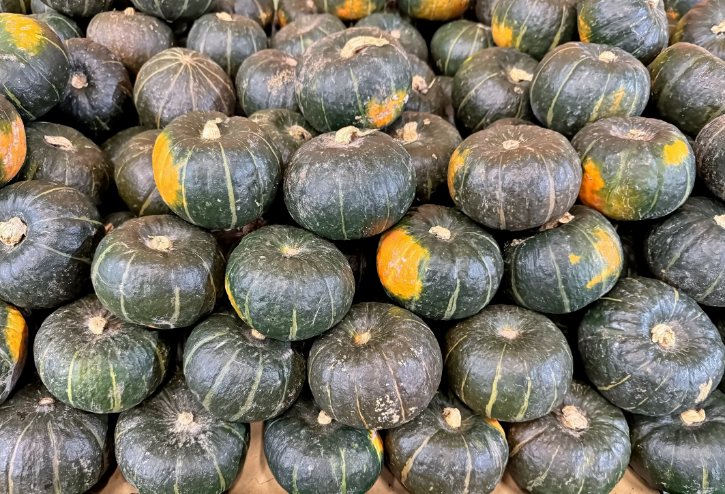
Why the Fridge Is a Problem
Pumpkins follow the same rules as winter squash, since they’re closely related.
- The cold, humid fridge environment weakens the rind and encourages mold
- Damage happens faster around any nicks or soft spots on the surface
- A whole pumpkin has no reason to take up space in your fridge
How to Store Them
- Keep whole pumpkins in a cool, dry spot like a pantry shelf or shaded storage area
- Place on a dry surface. A damp floor or shelf can rot the bottom
- Check occasionally for soft spots and use any that show early signs first
- Store away from ethylene-producing fruits
When the Fridge Is Okay
- Cut pumpkin should be wrapped and refrigerated. Use within a few days before it starts to break down
8. Eggplant
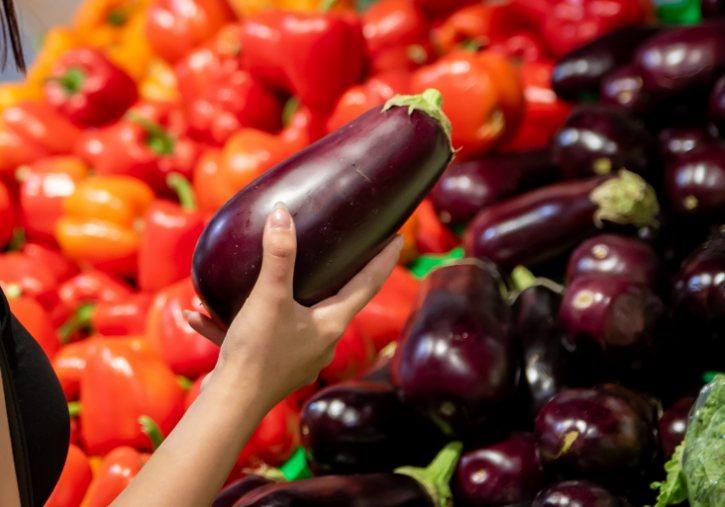
Why the Fridge Is a Problem
Eggplant is a tropical vegetable that doesn’t handle cold well. Most people refrigerate it right after buying, but this shortens its usable life.
- Cold storage causes surface pitting and brownish discoloration on the outside
- The seeds and flesh inside turn brown
- The flavor becomes increasingly bitter
How to Store Them
- Keep at a cool room-temperature spot away from direct sunlight
- For short-term storage, leaving it loose on the counter works well
- Handle gently to avoid bruising, since eggplant is delicate
- Best advice: buy eggplant close to when you plan to use it
When the Fridge Is Okay
- If your kitchen is very warm, place eggplant on the top shelf of the fridge (the warmest spot) and use within one to three days
- Wrap in a paper towel inside a loosely opened bag to reduce moisture damage
9. Cucumbers
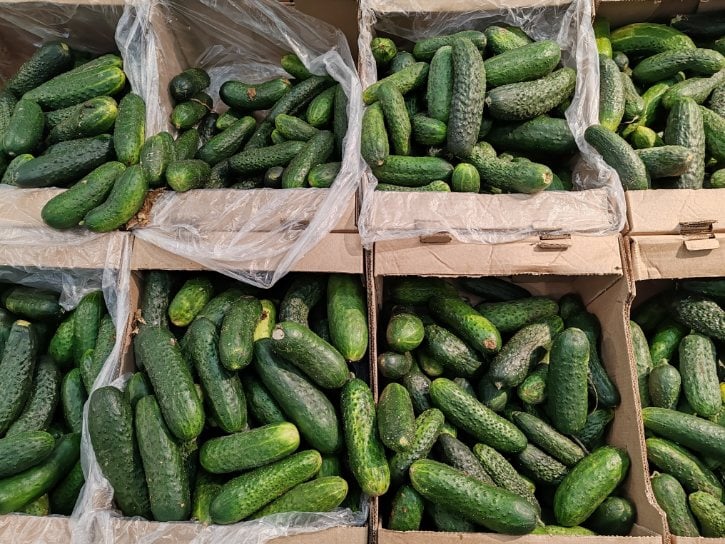
Why the Fridge Is a Problem
Cucumbers seem like they’d be fine in the fridge, but they’re actually quite sensitive to cold.
- Standard fridge temperatures can cause chilling injury, leading to water-soaked spots that quickly turn mushy
- Cold causes cucumbers to lose their green color and turn yellowish
How to Store Them
- For short-term use, keep on a cool countertop
- Keep them dry and loosely wrapped
- Store away from tomatoes, bananas, and other ethylene-producing fruits, as the gas speeds up their breakdown
- If bought in a plastic-wrapped pack, remove the wrap once you’re home to let them breathe
When the Fridge Is Okay
- If your kitchen is too warm, place cucumbers on the top shelf of the fridge and use within one to three days
- Wrap in a dry paper towel and place in an unsealed bag to slow moisture loss while allowing some airflow
10. Basil
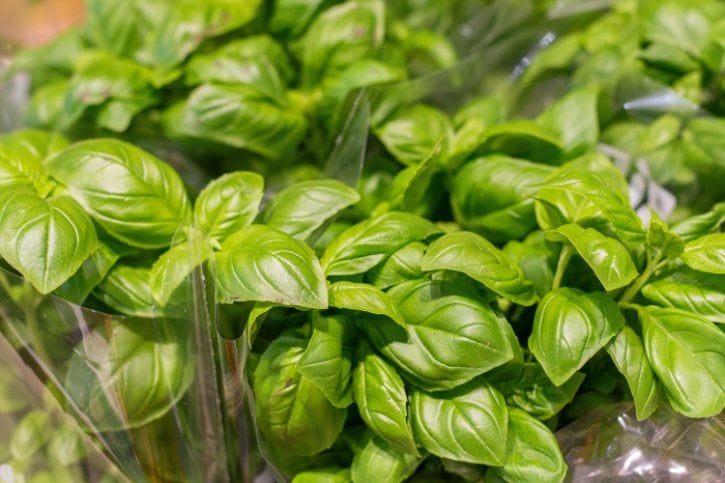
Why the Fridge Is a Problem
Most people treat basil like other herbs and toss it in the fridge. But basil is tropical, and cold is one of the quickest ways to ruin it.
- Refrigerating basil causes leaves to turn black and slimy, sometimes within just a day
- The cold destroys the essential oils that give basil its signature aroma
- Once those oils are gone, the flavor is flat and lifeless
How to Store It
- Treat fresh basil like a bouquet of flowers. Trim about half an inch off the stems
- Place in a small glass with an inch of water, making sure no leaves touch the water
- Keep the jar on the countertop at room temperature, away from direct sunlight
- Change the water every couple of days
- This method can keep basil fresh for up to 12 days. Refrigerated basil rarely lasts past two or three
What to Do With Extra Basil
- Freeze it blended with a little olive oil in ice cube trays
- Dry it for longer-term storage
- Both methods preserve far more flavor than the fridge