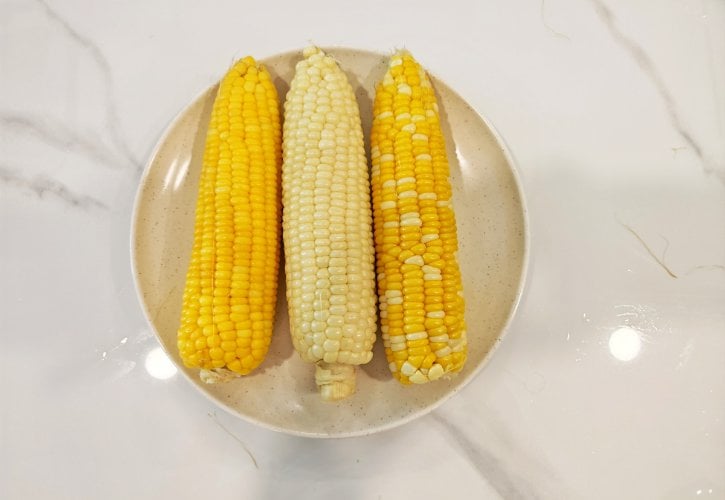
Most people pick corn by color without giving it much thought.
You glance at the pile, grab a shade, and assume, “This one should be sweeter”. Maybe you always go for yellow. Maybe white.
But here’s the thing. There is a general sweetness pattern that holds up in real life.
It just doesn’t follow the logic most people expect. And if sweetness matters to you, there’s something worth knowing before you choose. 😊
1. The Simple Sweetness Order
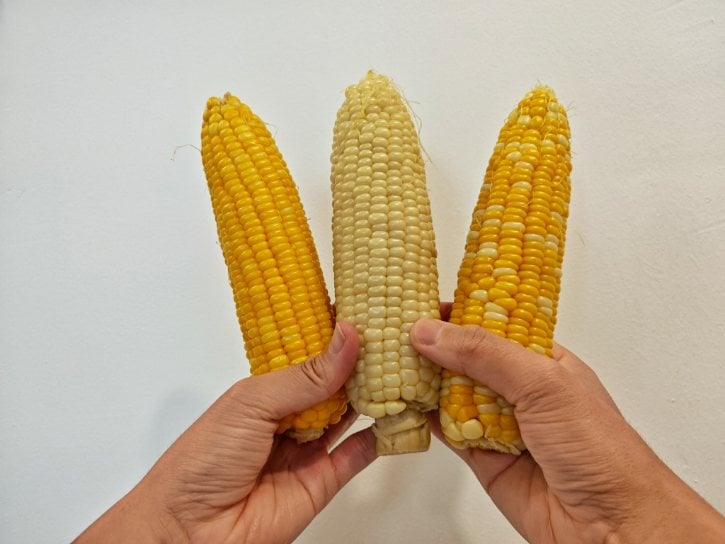
Here’s the pattern most people experience when tasting different corn colors side by side:
- White corn is often described as extra sweet, with a clean, sugary taste
- Bicolor corn feels balanced, sweet but with a bit more traditional corn flavor
- Yellow corn often tastes the least sweet of the three, even though it’s still quite sugary
This is a useful general guide, not a strict rule. But understanding why your taste buds react this way is the real key to choosing better corn.
2. Why White Corn Tastes the Sweetest
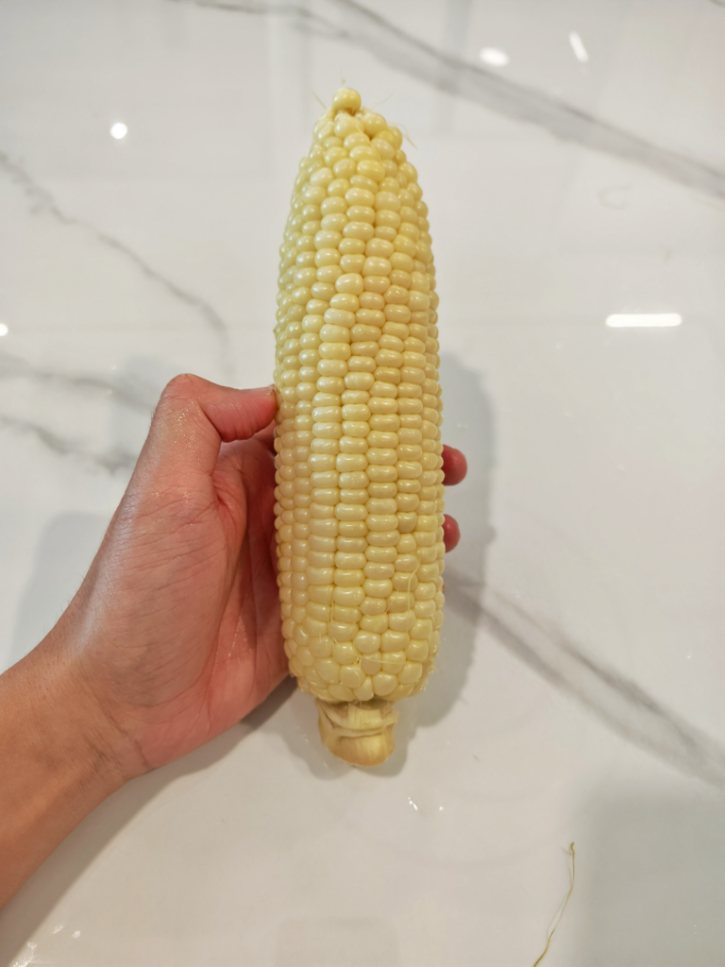
White corn has a milder, cleaner flavor compared to the other types. It doesn’t carry much of that strong, earthy “corn taste” that can compete with sweetness.
When the overall flavor is lighter, sweetness stands out more.
Think of it this way. When you bite into white corn, your taste buds aren’t busy processing savory or earthy notes.
They focus entirely on the sugar. That’s why white corn is almost always perceived as the sweetest option.
3. Why Bicolor Comes Next
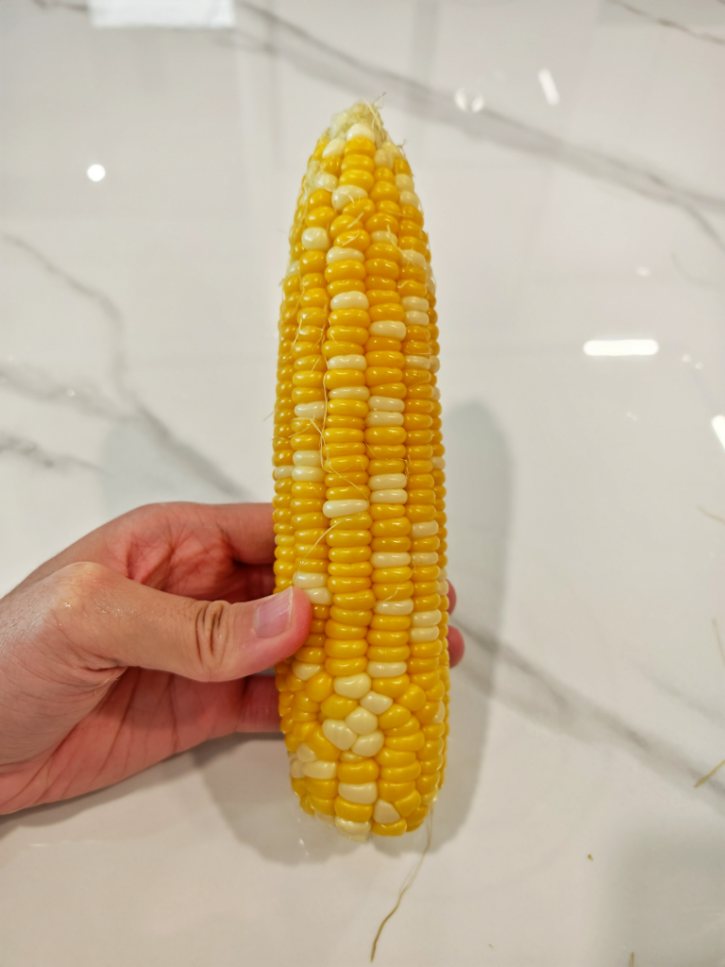
Bicolor corn is a cross between white and yellow varieties. You get some of the classic, robust corn taste from the yellow side, but it’s softened by the sweetness and tenderness of the white kernels.
The result is an ear that’s moderately sweet. Not as clean and sugary as pure white corn, but more delicate than a solid yellow variety. For a lot of people, bicolor is the “just right” option.
4. Why Yellow Corn Often Tastes Less Sweet
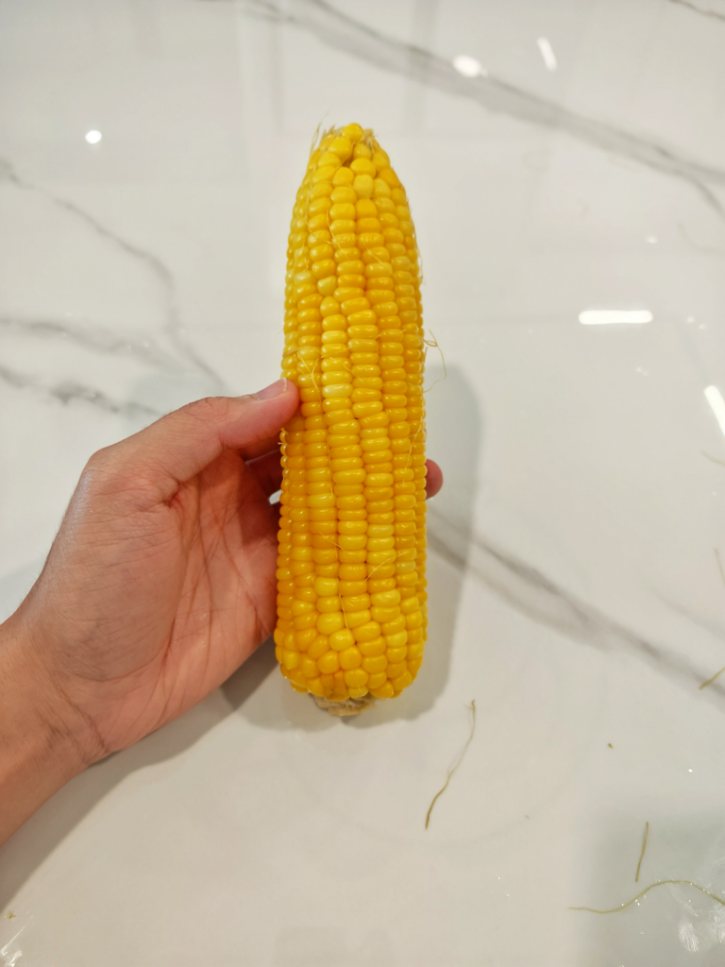
Here’s something most people don’t realize. Yellow corn can have just as much sugar as white corn, and sometimes even more. But yellow corn has a much richer, deeper flavor.
That stronger flavor comes from natural pigments called carotenoids. These add slightly more savory and earthy notes to the taste.
Stronger flavor can actually mask the sweetness.
Even if a yellow ear and a white ear have the exact same amount of sugar, your brain might perceive the white one as sweeter because the yellow one has more competing flavor going on.
Yellow corn may feel less sweet, but it offers a heartier experience for people who want corn to taste like corn.
5. Why This Pattern Works
People aren’t just measuring sugar when they eat corn. They’re reacting to the total balance of flavor intensity and taste.
White corn has very little aroma competing with the sugar, so sweetness takes center stage. Yellow corn has a much more intense aroma, which pushes the sweet taste into a supporting role.
Sweetness is felt, not just measured. Your brain is easily influenced by how “loud” the other flavors in the food are.
6. But Here’s What Most People Miss
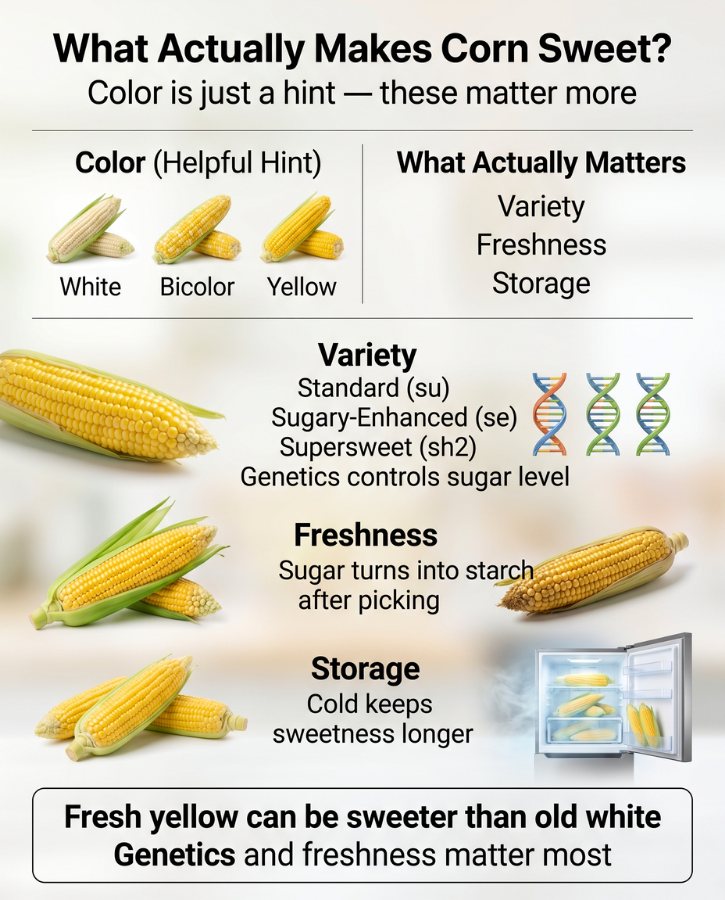
The color-based sweetness pattern is a great starting point, but it’s not the whole story.
This sweetness order depends on three important factors that actually matter more than color.
a. Variety (The Most Important Factor)
The single most important thing to know is that color does not control sugar, genetics does.
Different corn varieties have different sugar levels built into their DNA:
- Standard (su): Old-fashioned corn with about 5 to 15% sugar that turns to starch very quickly after picking
- Sugary-Enhanced (se): A step up, with about 16 to 18% sugar that stays sweet longer
- Supersweet (sh2): Modern “candy” varieties with up to 40% sugar and a crisp, crunchy texture
Here’s the secret. You can have a yellow “supersweet” corn that is five times sweeter than a white “standard” corn. If you see a sign that says “Supersweet” or “sh2”, that corn is going to be incredibly sugary no matter what color it is.
b. Freshness
Sweet corn starts a race against time the moment it’s picked. The plant immediately begins converting its natural sugars into flavorless starch.
In standard corn, half the sugar can disappear within just 24 hours if it sits at room temperature.
Fresh corn = sweeter corn. It doesn’t matter if you bought the “sweetest” white variety in the world. If it was picked four days ago and sat in a warm truck, it won’t taste sweet at all.
c. Storage and Handling
Temperature makes a huge difference. If you see corn sitting in a warm bin at a supermarket, stay away. Corn needs to be kept cold right after harvest to stop the sugar from turning into starch.
A fresh yellow corn can taste sweeter than an old white corn.
This is the most important line to remember. Color is a helpful hint, but freshness and genetics are the real rules.
7. If You Want the Sweetest Corn
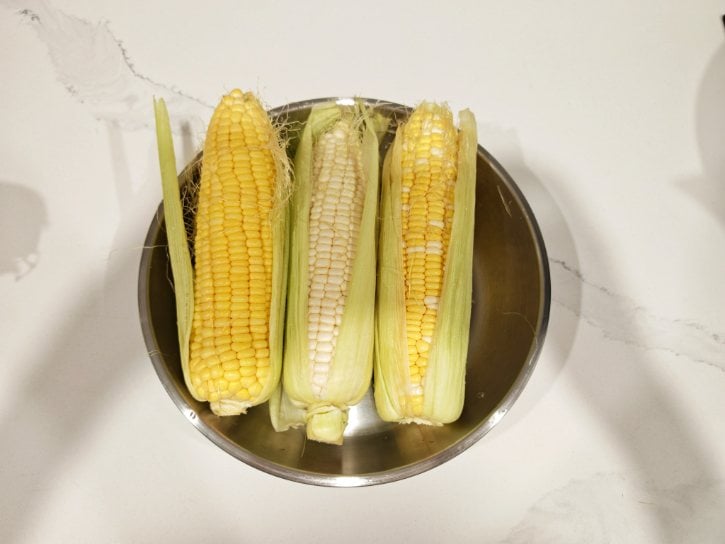
Here’s your practical guidance for choosing the best ears:
- Start with white corn. If everything looks equally fresh, white corn is usually the sweetest choice because its flavor won’t mask the sugar.
- Bicolor is your second-best option for a great balance of sweetness and flavor.
- Yellow is the best pick if you prefer a richer, more traditional corn taste.
But keep this critical balance in mind. Even if you choose white corn, its sweetness still depends on the variety, how fresh it is, and how it was stored.
If you spot a yellow variety labeled “Supersweet” and it feels ice-cold and fresh, grab it. It will likely be sweeter than an unlabeled white ear sitting in a warm bin.
If you’re looking for the sweetest corn, white is usually the way to go, but freshness and variety will always matter more than color alone.
8. A Personal Note
This sweetness pattern is based on my own experience and observations over time.
In many cases, white corn does taste the sweetest, followed by bicolor and then yellow. The reason has more to do with how our palates work than with a sugar scale.
But here’s the thing. Different regions grow different varieties. Different farms handle corn differently. And your taste buds might tell a completely different story than mine.
So I’d love to hear from you. Have you noticed the same pattern, or something completely different? Which type of corn tastes sweetest to you?