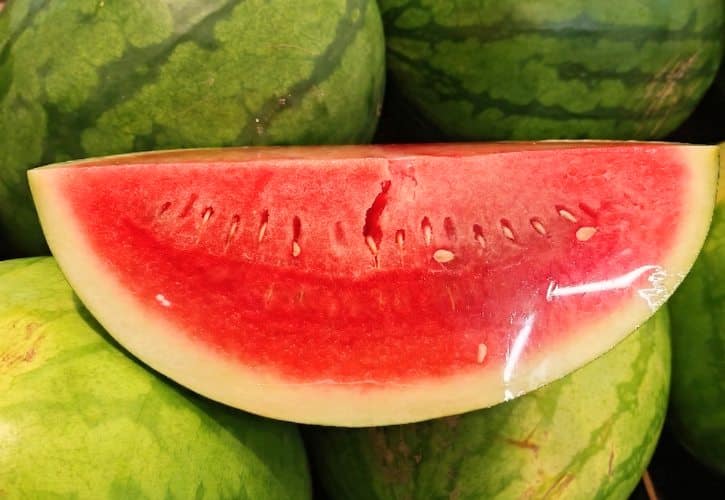
Most people pick a watermelon by guessing. They knock on a few, grab one that looks nice, and hope for the best.
But there’s a small detail most people overlook. The shape.
Round or long? That difference doesn’t just change how it looks. It can change how it tastes.
Let’s break down what’s really going on, and how to pick a better melon every time. 😊
1. Round vs Long Watermelon
Not all watermelons are the same. When you look at a pile of melons at the store, you’ll notice two main shapes: round and long.
a. What Is a Round Watermelon?
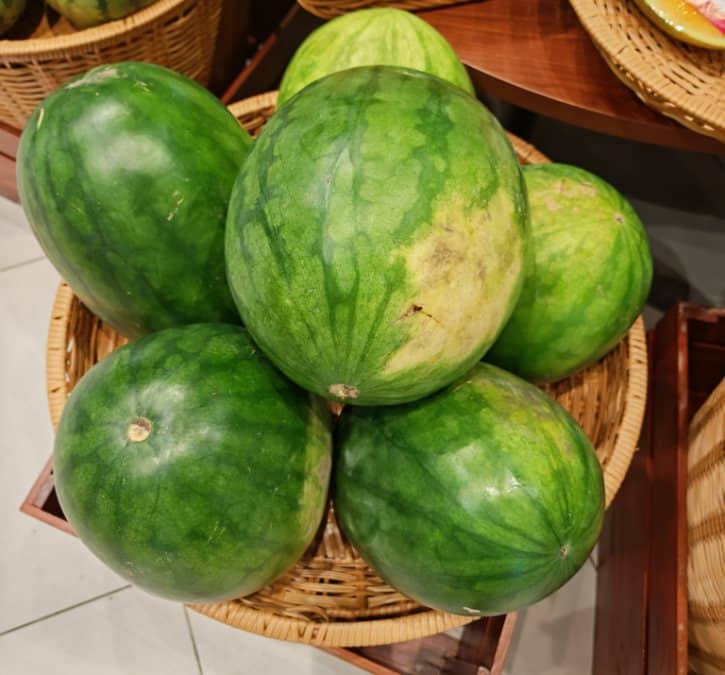
Round watermelons are compact and globe-shaped. They fit easily in your fridge.
Popular varieties include Crimson Sweet and Sugar Baby. These are often called “icebox” melons because of their smaller size.
b. What Is a Long Watermelon?
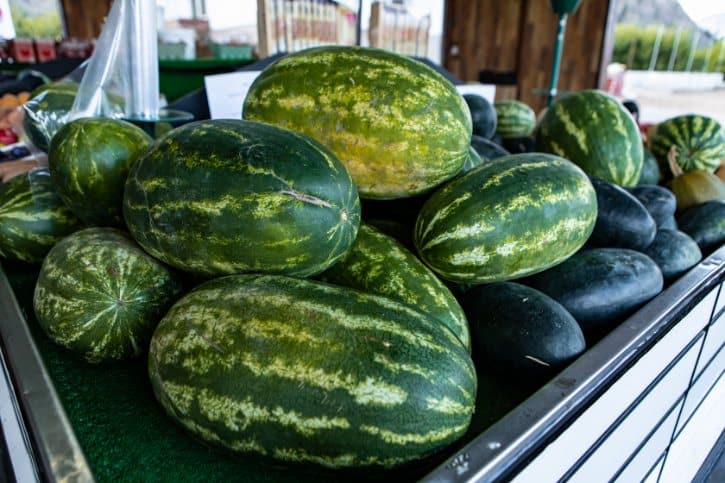
Long watermelons are stretched out, almost like a cylinder. They can grow very large, sometimes weighing 25 to 45 pounds.
Common varieties include Jubilee and Charleston Gray. These are the classic picnic watermelons you see at summer gatherings.
c. Key Differences
Here’s a quick comparison:
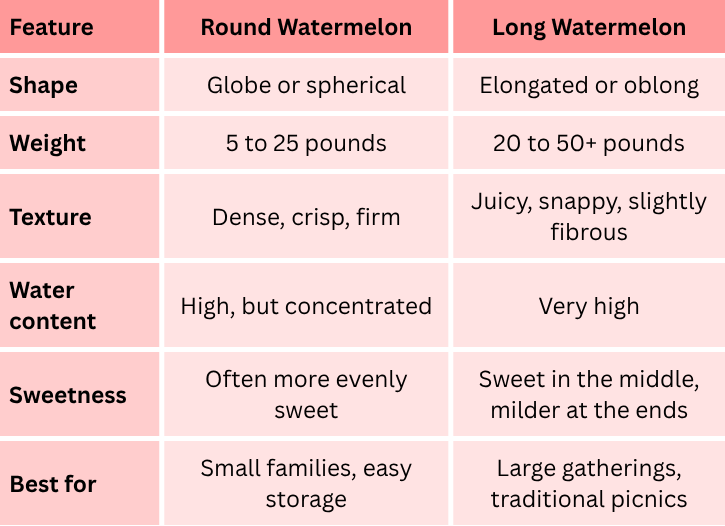
Neither shape is “wrong”. They just offer different eating experiences.
Round melons tend to have a denser, more concentrated sweetness. Long melons give you that classic juicy crunch but may taste slightly more watery near the tips.
2. Why Shape May Affect Sweetness
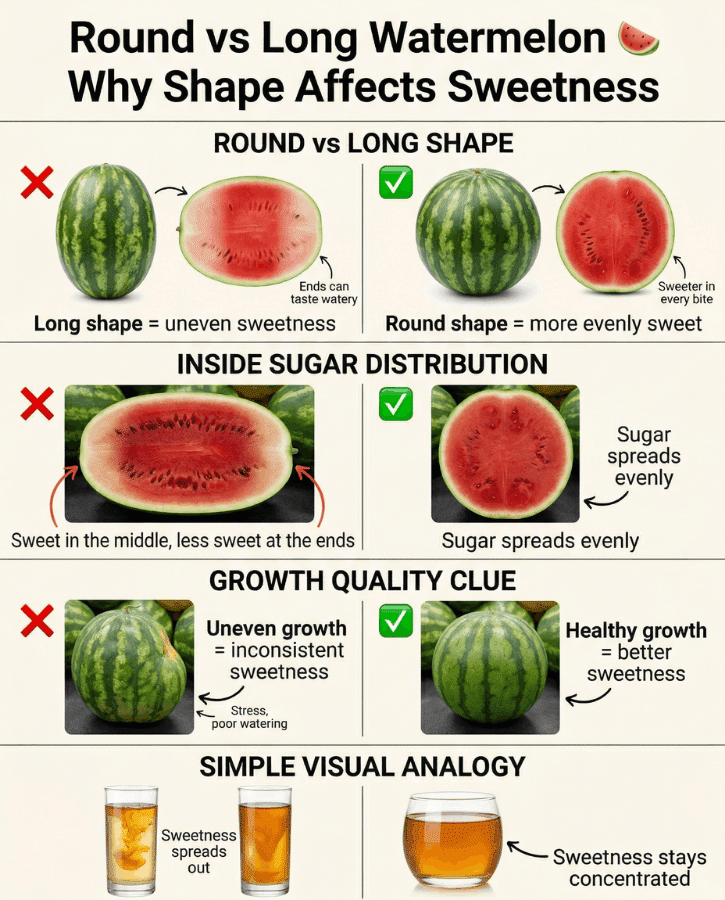
Here’s something most people don’t realize. The shape of a watermelon actually affects how sweet it tastes.
a. Sugar Concentration
The sweetest part of any watermelon is the center, often called the “heart”. This is where the plant sends the most nutrients.
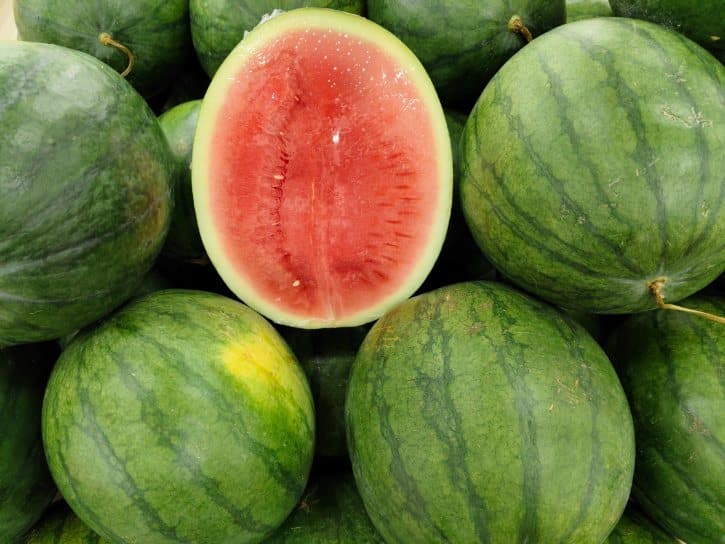
In a round watermelon, the distance from the center to the edge is about the same in all directions. This means sugar spreads more evenly throughout the fruit.
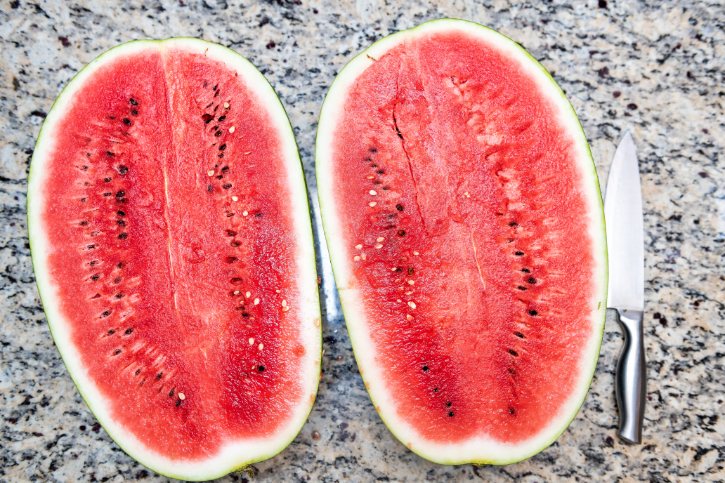
In a long watermelon, the center is stretched out. The middle stays sweet, but the ends can taste more watery or bland.
b. Growth Patterns
A perfectly round shape is a good sign. It usually means the watermelon had steady water, good pollination, and stress-free growing conditions.
When a melon grows unevenly, perhaps due to drought or uneven watering, it may end up lumpy or lopsided. This can also affect sugar levels.
c. A Simple Way to Think About It
Imagine stirring honey into a glass of water.
- In a small, round glass, the honey mixes quickly and tastes strong everywhere.
- In a tall, narrow glass, the sweetness spreads out more. Some sips taste weaker.
Round watermelons work like that small glass. The sugar is packed into a tighter space, making each bite taste sweeter.
3. Male vs Female Watermelon Myth
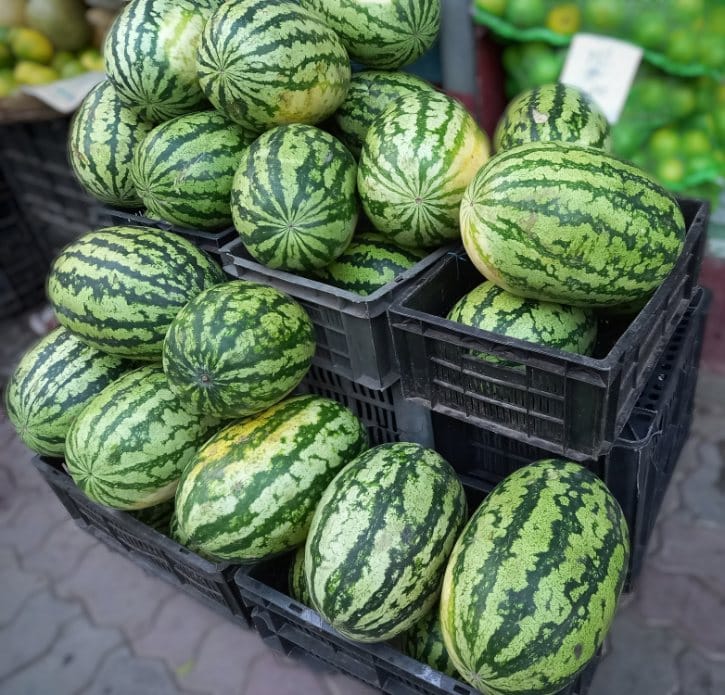
You may have heard this before: “Long watermelons are male and watery. Round ones are female and sweeter”.
It’s a fun story. But is it true?
a. What People Claim
The myth says:
- Long, tall melons are “male” and taste bland
- Round, stout melons are “female” and taste sweeter
b. The Reality
There is no such thing as a male or female watermelon fruit.
All watermelon plants produce both male and female flowers on the same vine. The male flowers provide pollen. The female flowers, once pollinated by bees, grow into the fruit.
Every watermelon you see at the store came from a female flower. There are no “male” melons.
c. What Farmers Actually Say
The shape of a watermelon depends on its variety, not its “gender”.
- Charleston Gray is always long.
- Sugar Baby is always round.
If someone tells you to pick a “female” melon, they’re really just recommending a round variety. Round varieties are often sweet, but it’s because of their genetics and ripeness, not their sex.
4. Signs of a Sweet Watermelon
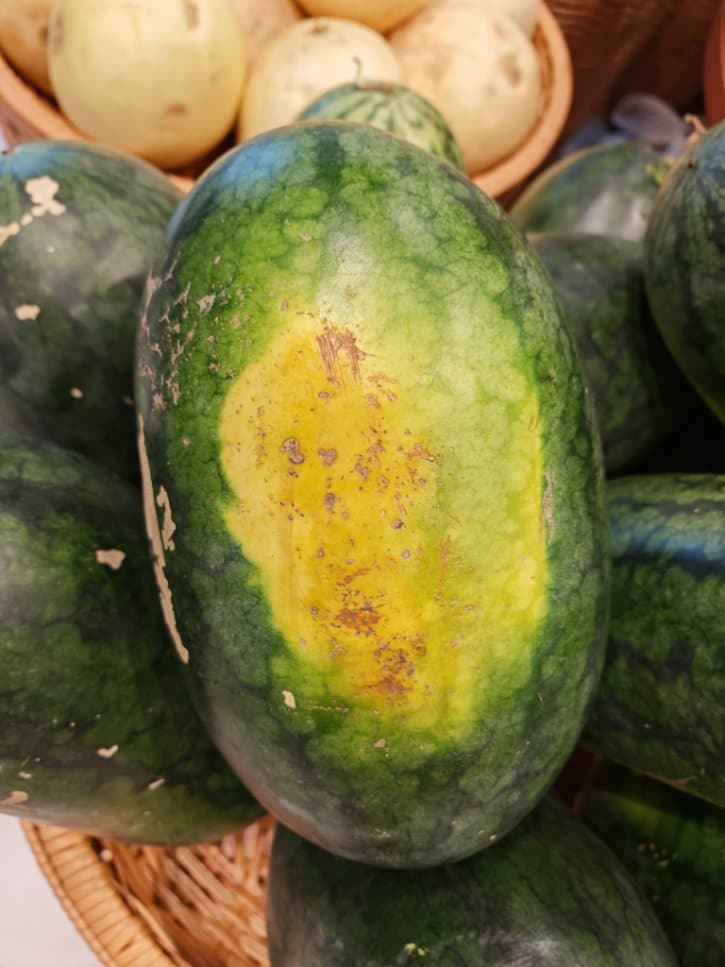
Since you can’t taste a watermelon before buying it, you need to look for physical clues.
Here are the most reliable signs:
a. Field Spot Color
The field spot is the pale area where the melon rested on the ground while growing.
- Look for: A creamy, buttery yellow or golden-orange color
- Avoid: White or pale green spots
A deep yellow spot means the melon stayed on the vine longer and had time to develop full sweetness.
b. Sugar Webbing
Those brown, rough, web-like marks on the skin? Many people think they’re damage. They’re actually a great sign.
These are called pollination scars or “sugar spots”. They form when bees visit the flower many times.
More bee activity often means better fruit development and higher sugar content. Look for melons with these coarse patches instead of perfectly smooth skin.
c. Weight and Density
A ripe watermelon is about 92% water. But sweet melons also have more sugar, which makes them heavier.
Here’s a simple test:
- Pick up two melons of similar size
- The heavier one is usually riper and sweeter
If a melon feels light or hollow, it may be underripe or losing moisture.
d. The Sound Test
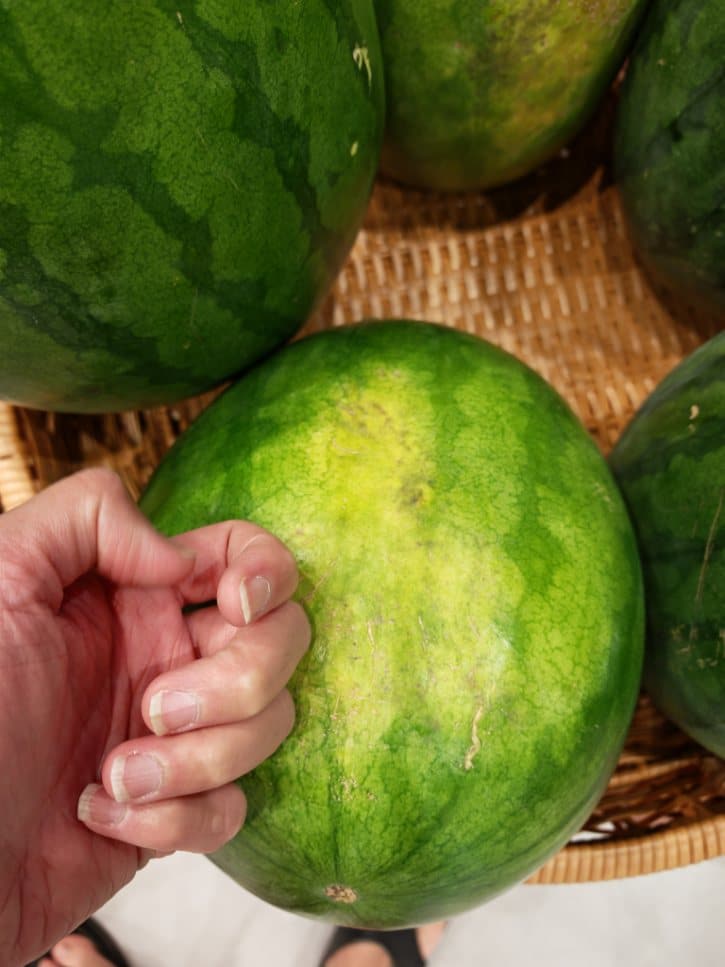
Tapping a watermelon is a classic trick. It takes practice, but it works.
- A ripe melon: Gives a deep, hollow sound, like a drum
- An underripe melon: Sounds high-pitched or metallic
- An overripe melon: Sounds flat and dull
Listen for that deep, bouncy ring.
e. Skin Appearance
Most people reach for the shiniest melon. But that’s actually a mistake.
A ripe watermelon has a dull, matte finish. This happens when a waxy coating develops as the fruit matures.
Shiny skin means the melon is still growing and hasn’t reached its peak sweetness yet.
f. The Stem (Tail)
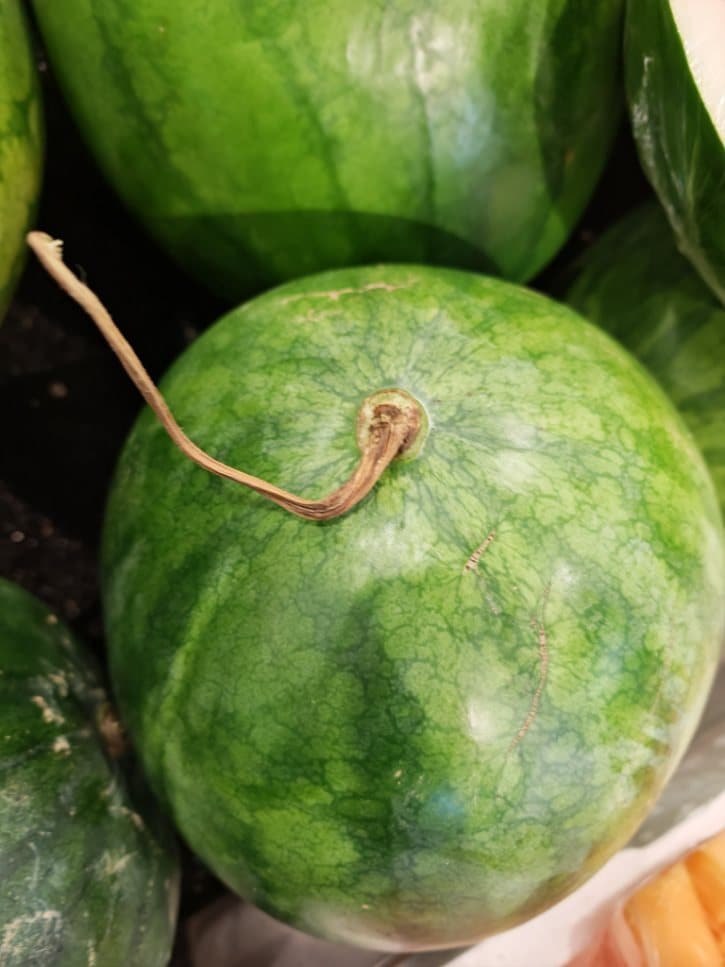
If your melon still has a piece of stem attached, check it closely.
- A dried, brown, curly tail: The melon ripened fully on the vine
- A green, fresh tail: The melon was picked too early
Watermelons don’t get sweeter after they’re picked. A green stem is a warning sign.
5. Common Mistakes People Make
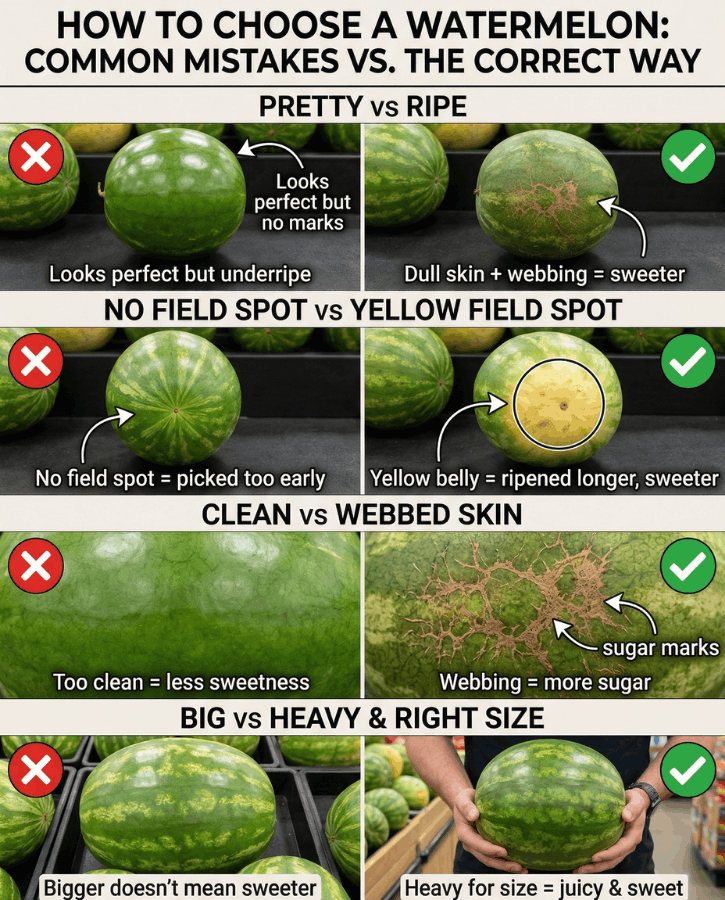
Even careful shoppers fall into these traps:
a. Choosing the Prettiest Melon
A shiny, perfectly smooth melon looks great. But it’s often underripe.
Better approach: Look for dull skin, rough webbing, and a large yellow spot.
b. Ignoring the Field Spot
Some people think a big yellow patch is a flaw. They search for melons that are green all over.
Better approach: The yellow belly is your most reliable clue. No yellow spot usually means the melon was picked too early.
c. Avoiding Webbing
Those brown, scabby marks look like damage. But they actually signal heavy pollination and more sugar.
Better approach: Choose melons with lots of webbing, not perfectly clean skin.
d. Thinking Bigger Is Better
A giant watermelon seems like a good deal. But size doesn’t equal sweetness.
Some of the sweetest melons are the smaller “icebox” types. Large melons can be mealy or have thick, tough rinds with less edible flesh.
Better approach: Choose by weight-to-size ratio and field spot color, not by size alone.
The Bottom Line
Picking a sweet watermelon doesn’t have to be a guessing game.
The shape matters. Round watermelons often have more even sugar distribution and a denser texture. Long watermelons offer classic juiciness but may taste milder near the ends.
But shape is just one part of the story. The real key is ripeness.
To find the sweetest melon, combine these tips:
- Look for a deep, buttery yellow field spot
- Check for brown webbing (pollination scars)
- Pick it up and feel the weight
- Tap for a deep, hollow sound
- Choose a dull, matte skin over a shiny one
- Check the stem for dryness
Next time you’re at the market, don’t just grab the first melon that looks nice. Turn it over, give it a tap, and look for those “ugly” marks of success.
A little knowledge goes a long way. Every slice can be as sweet as a summer day.