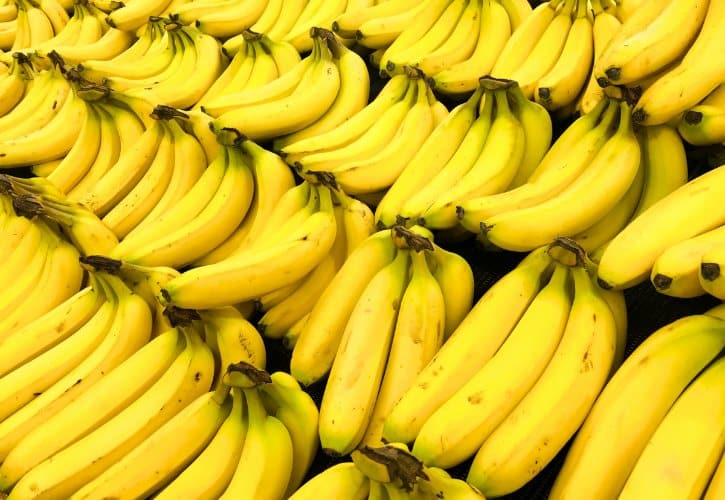
Most people assume that if a banana is yellow, it must be sweet. That sounds logical, right? But here’s the truth: color alone can fool you.
The Cavendish banana, the long yellow variety you find in almost every supermarket worldwide, can look perfectly ripe and still taste bland, starchy, or even rubbery.
The difference between a delicious banana and a disappointing one often comes down to small details most shoppers never notice.
Once you know what to look for, picking a sweet banana becomes surprisingly simple. 😊
1. Color Isn’t What You Think
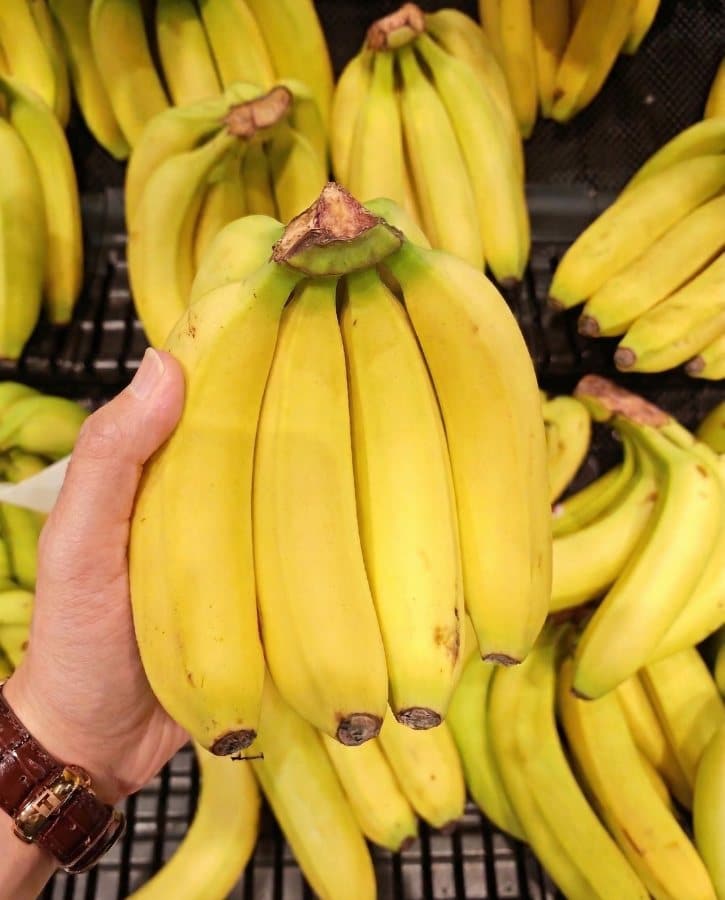
Color is useful, but it’s not a sugar meter. Scientists have found decent connections between peel color and internal ripening. Yet they also warn that peel color can disconnect from what’s happening inside.
a. How Peel Color Stages Relate to Sweetness
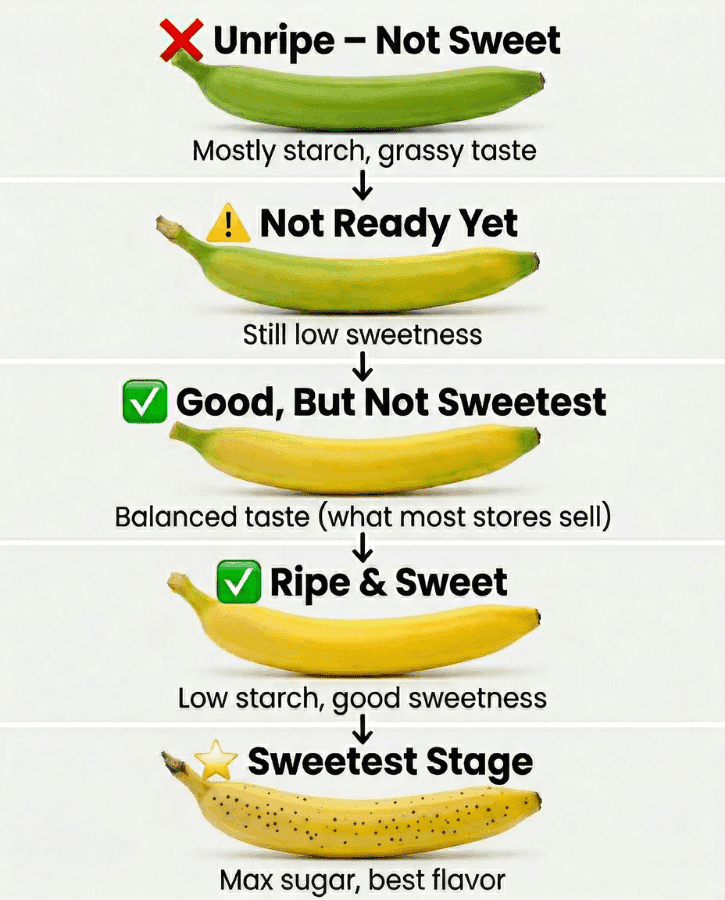
Banana ripeness is often described using a 7-stage color scale:
- Stage 1-2 (Solid green to light green): The fruit is dominated by starch. It tastes “grassy” or bland, with tannins that create a dry, astringent sensation.
- Stage 3 (More green than yellow): Starch breakdown has started, but the banana still lacks real sweetness.
- Stage 5 (Yellow with green tips): This is the “retail standard”. Balanced sweetness, but hasn’t reached maximum sugar potential.
- Stage 6 (All yellow): Indicates ripe eating quality. Starch content has dropped below 5%.
- Stage 7 (Yellow with brown spots): Peak sweetness. Starch-to-sugar conversion is essentially complete.
b. Are Yellow Bananas Always Sweet?
No. Temperature problems can cause the peel to look ripe while the inside stays starchy.
If a banana was exposed to cold temperatures during storage, the peel may turn yellow or grayish, but the fruit inside never converts its starch to sugar properly. So if a “yellow” banana tastes bland, internal ripening likely lagged behind the peel.
c. Can a Green Banana Actually Be Sweet?
Surprisingly, yes. When bananas are exposed to too much heat before ripening, something unusual happens. The heat stops the peel from changing color, but the inside keeps softening and developing sugar normally.
This creates a “green-ripe” banana: soft and sweet inside, but stubbornly green on the outside. These are perfectly edible and often quite tasty. But most people throw them away because they trust color too much.
d. What Does a Gray or Dull Banana Mean?
A smoky, grayish cast indicates chilling injury. The banana was stored too cold for too long, which damages cell membranes and stops starch-to-sugar conversion permanently.
These bananas often taste mealy, lack aroma, and have an off-flavor, no matter how long you wait.
2. The Tiny Brown Spots Secret
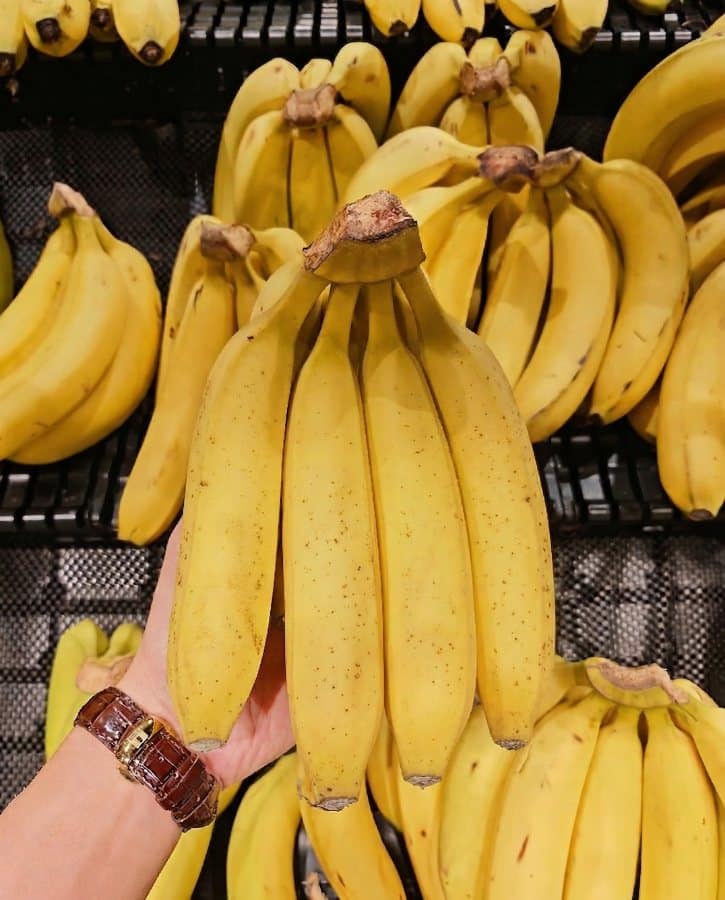
Those small brown freckles on ripening bananas are not signs of rot. They’re actually nature’s way of telling you the banana has reached peak sweetness.
a. What Causes These Spots?
As a banana finishes ripening, certain cells in the peel naturally break down and turn brown. This is a normal part of the fruit’s life cycle, not damage or decay.
It’s similar to what happens when you cut an apple and it turns brown. The banana is simply going through its final stage of becoming fully ripe.
b. Do Spots Actually Mean More Sugar?
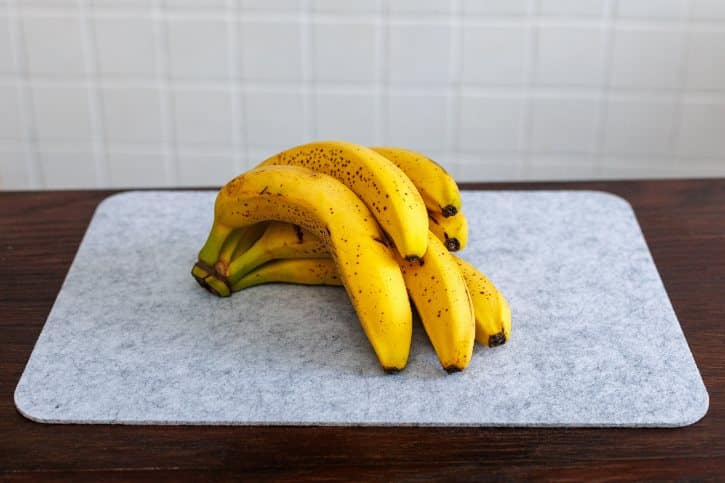
Yes. Research confirms that sugar levels rise significantly as a banana moves from solid yellow to spotted yellow.
At the spotted stage:
- Nearly all the starch has turned into sugar
- The banana has reached its maximum sweetness
- The flavor becomes richer and more complex
Think of it this way: the spots are like a “ready to eat” signal from the banana itself.
c. How Do You Tell Good Spots from Bad Ones?
Not all brown marks are equal. Here’s how to tell them apart:
- Ripeness spots (good): Small, evenly spread across the peel, and only on the surface. The flesh underneath stays creamy and firm.
- Bruises (bad): Large, dark, and sunken inward. These come from the banana being dropped or squeezed too hard, causing mushy or bitter spots inside.
- Cold damage marks (bad): Dull, grayish-brown patches covering large areas, sometimes with dark streaks. These bananas often taste off.
d. Should You Avoid Spotted Bananas at the Store?
Not at all. A banana covered in small brown freckles is often the sweetest one available, even if it doesn’t look as “perfect”.
Many shoppers skip spotted bananas, thinking they’re going bad. But unless the spots are large, sunken, or the banana feels mushy, those little freckles simply mean the fruit is at its best.
3. Firmness Test Most People Get Wrong
Firmness provides important clues about sweetness, but many shoppers misinterpret what they’re feeling.
a. What Does Firmness Actually Tell You?
As a banana ripens, two things happen at the same time:
- Starch turns into sugar: This is what makes the banana taste sweet instead of bland.
- The flesh softens: This is what gives ripe bananas their creamy, smooth texture.
A “perfect” banana has both changes happening together. If the fruit stays hard even though it looks yellow, something went wrong along the way.
b. Why Do Some Yellow Bananas Stay Hard?
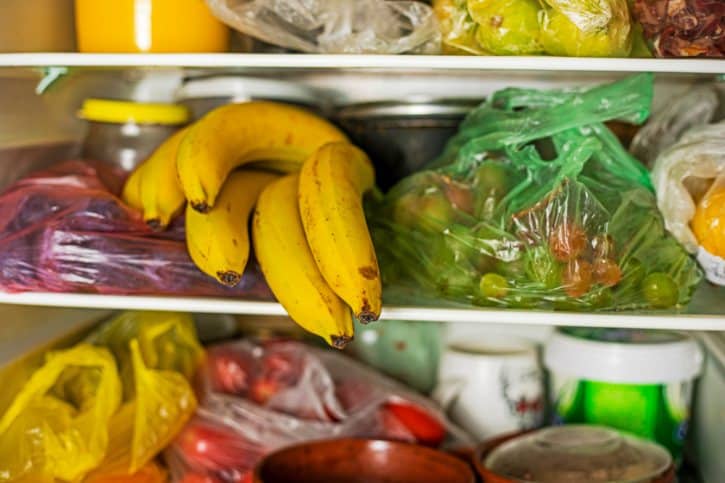
Cold storage is usually the culprit. When bananas get too cold, the softening process slows down or stops completely, but the peel can still change color.
The result is a banana that looks ripe but feels firm and tastes starchy or rubbery.
c. What’s the Right Way to Check Firmness?
Gently press the middle section of the banana. Here’s what you might find:
- Very firm and yellow: The banana probably hasn’t finished ripening inside. Expect a rubbery texture and bland taste.
- Slightly soft, gives a little when pressed: Both sweetness and texture have developed properly. This is what you want.
- Very soft or mushy: The banana is overripe or might have been damaged.
d. Does the Peel Cling Too Tightly?
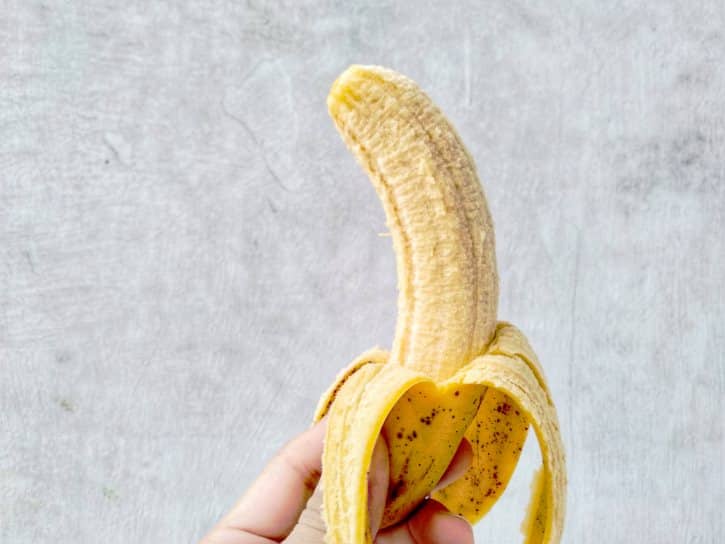
Here’s a detail most people miss. When a banana isn’t fully ripe, the peel sticks tightly to the flesh and feels difficult to open.
When a banana is perfectly ripe, the peel separates easily and pulls away without much effort.
So if a yellow banana’s peel “clings” stubbornly to the fruit, it’s telling you the inside isn’t quite ready yet.
4. Shape Can Tell More Than You Expect
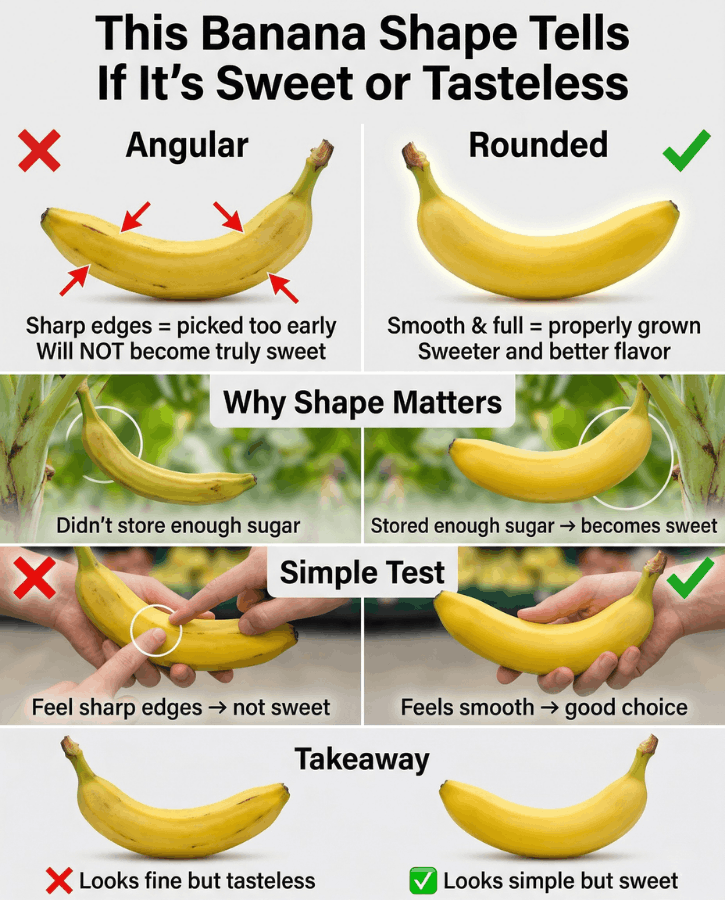
The shape of a banana reveals whether it was harvested at the right time, long before it reached the store.
a. Why Does Shape Matter for Sweetness?
A banana’s sweetness potential is decided before it leaves the plant. As the fruit grows on the bunch, it fills out and stores the “fuel” it needs to become sweet later.
If harvested too early, the banana never stored enough of this fuel. No amount of waiting will make it truly sweet.
b. What’s the Difference Between Angular and Rounded Bananas?
- Angular bananas: Sharp, pronounced ridges run along the length of the fruit. You can feel these edges clearly when you hold it. This means the fruit was picked before it had a chance to fill out properly.
- Rounded bananas: The sides feel smooth and plump. The ridges are barely noticeable because the banana had time to fully develop before harvest.
c. Can an Angular Banana Ever Become Sweet?
Unfortunately, no. A banana that was picked too early will often taste rubbery and lack flavor depth, even after it turns yellow.
The banana simply didn’t have what it needed at the moment of harvest. Without that foundation, it cannot develop proper sweetness.
d. How Do You Check for Angular Shape?
Run your finger along the side of the banana. If you can trace a sharp, defined edge, the fruit was likely harvested too early.
A properly grown banana feels smooth and rounded. The ridges are barely noticeable to the touch.
5. The Stem Color Clue (Almost Nobody Checks)
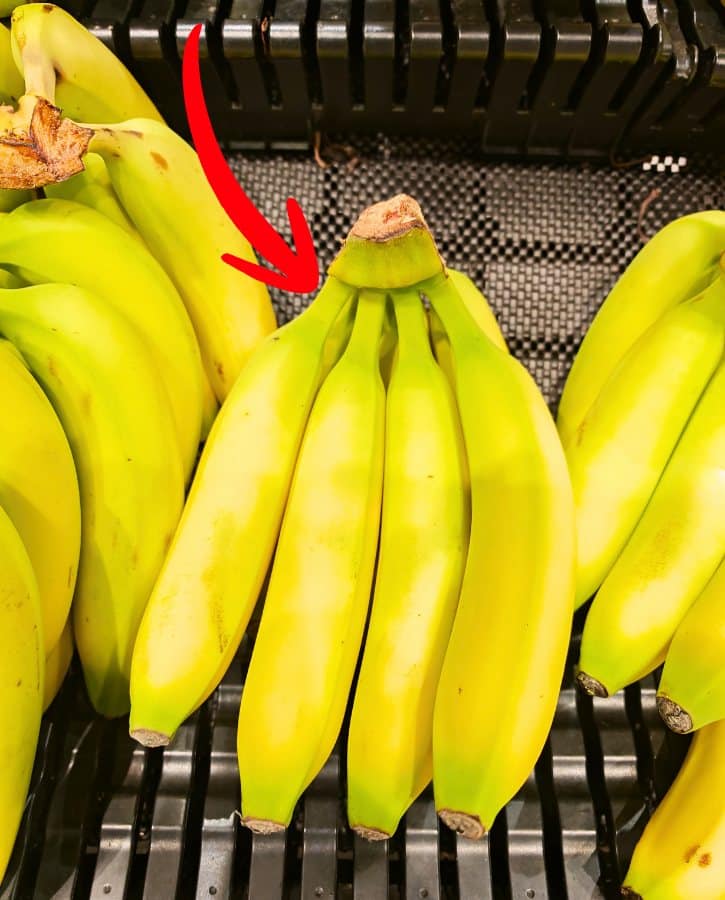
The stem is often overlooked, but it tells you a lot about what’s happening inside the banana.
a. What Does Stem Color Indicate?
- Dark green and rigid: The banana is still developing. Its full flavor hasn’t arrived yet.
- Light green to yellow: The fruit has entered its final ripening stage. It should be sweet and ready to eat.
b. Does the Stem Snap or Bend?
This is a simple but revealing test:
- Easy snap: In a perfectly ripe banana, the stem breaks cleanly with little effort.
- Tough and stringy: If the stem bends without breaking or feels hard to pull, the fruit is likely not ripe yet.
c. Are Shorter-Stemmed Bananas Sweeter?
This is a popular belief, but there’s no real evidence to support it. Stem length depends on the banana variety, where it grew on the bunch, and how healthy the plant was.
Color, shape, and spots are far better ways to judge sweetness than stem length.
d. When Should the Stem Turn Yellow?
A sweet, fully ripe banana should have a stem that has changed from green to yellow. If the stem is still dark green, the banana probably needs more time to develop its full flavor.
6. Skin Texture & Shine
The look and feel of the banana peel give you clues that most people completely overlook.
a. Does Shininess Indicate Sweetness?
Yes. As a Cavendish banana ripens, its peel becomes noticeably shinier. This shine reaches its peak exactly when the fruit is covered with brown spots, the same stage when sweetness is at its highest.
b. Why Do Ripe Bananas Look Shinier?
Two things happen as the banana ripens:
- The peel gets thinner: It loses some moisture and becomes more see-through.
- The surface smooths out: The natural coating on the peel settles and reflects light better.
A shiny banana basically has a thinner, clearer peel that lets the bright yellow color show through and reflect light nicely.
c. What Does a Dull Appearance Mean?
If a banana looks matte or “dusty” even though it’s yellow, something may be wrong:
- Too dry: The fruit lost water too quickly, often because it was stored in low humidity.
- Cold damage: The banana got too cold at some point, which affected the peel’s appearance.
Both problems usually mean the banana will taste dry or have a strange texture.
d. Does Surface Texture Tell You Anything?
Interestingly, the skin of a banana becomes slightly rougher as it ripens. This happens because the sugars inside the fruit pull moisture from the peel.
A peel that feels slightly “leathery” or shows very fine wrinkles often means the flesh inside is extra sweet and concentrated.
7. The Ripening Trick Most People Don’t Understand
A banana doesn’t ripen evenly from end to end. Different parts of the fruit mature at different speeds.
a. Which Part Ripens First?
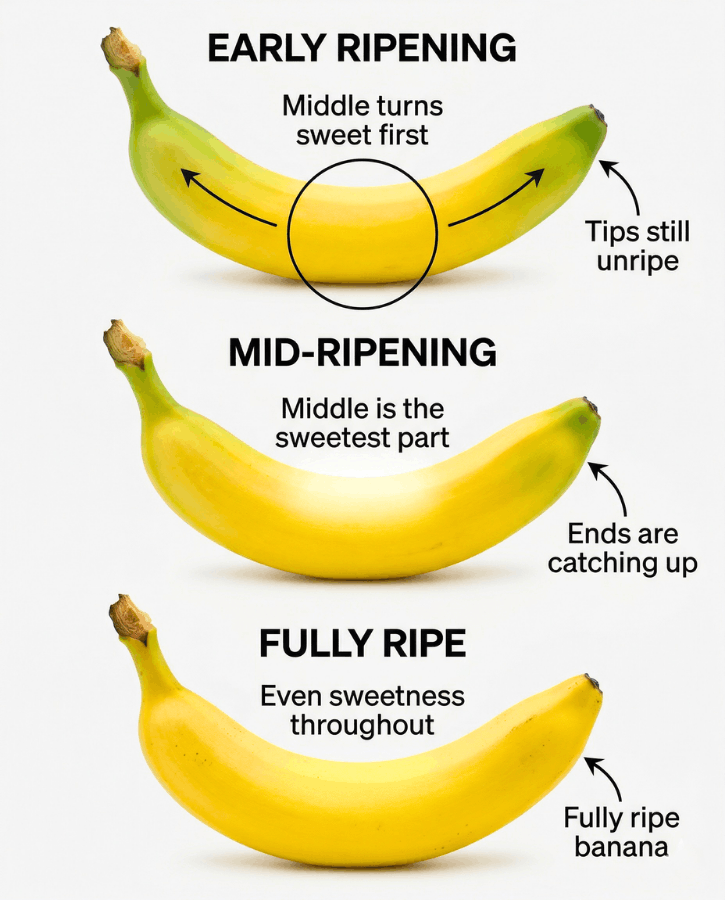
The middle section ripens before the ends. Sugar develops fastest in the center of the fruit.
Here’s how it works:
- Early ripening: The middle turns yellow and becomes sweet while the tips stay green.
- Mid-ripening: The middle is noticeably sweeter than both ends.
- Late ripening: The tips catch up, and the whole banana becomes uniformly sweet.
b. What Does This Mean for Eating?
If you eat a banana with green tips, expect the middle to taste sweeter while the ends may still be starchy or slightly tart.
For even sweetness from the first bite to the last, wait until the green tips disappear completely.
c. Does Aroma Change with Ripening?
Absolutely. Unripe bananas smell grassy or almost like cucumber.
As the banana ripens and becomes sweeter, it starts producing that familiar “banana smell” we all recognize. This fruity, tropical scent gets stronger as the fruit reaches peak ripeness.
A banana that doesn’t smell like much will probably taste bland too.
8. The Biggest Mistakes People Make
Even careful shoppers end up with tasteless bananas because of a few common misunderstandings.
a. Trusting Color Alone
Several problems can produce a yellow banana that tastes like nothing:
- Cold damage: The banana got too cold, which stopped sweetness from developing even as the peel turned yellow.
- Picked too early: The banana didn’t have enough time on the plant to build up what it needed for sweetness.
Always check firmness, spots, shape, and smell along with color.
b. Avoiding Brown Spots
Many people pick solid yellow bananas because they think spots mean the fruit is going bad. But those small spots actually signal that the banana has reached its sweetest point.
c. Buying Angular-Shaped Bananas
Sharp ridges along the sides mean the banana was harvested too early. These bananas will never become properly sweet because they were picked before they were ready.
d. Refrigerating Bananas Too Soon
Putting bananas in the fridge before they’re fully ripe causes cold damage. The peel may darken, but the inside stays starchy and hard. Once this happens, the banana will never ripen properly.
e. Ignoring the Smell
A sweet banana should have a pleasant, fruity, tropical scent. If it smells like nothing or has a grassy, “green” smell, the flavor will be flat and disappointing.
9. The Perfect Banana Checklist
Before picking your next banana, run through this simple checklist:
a. Visual Checks
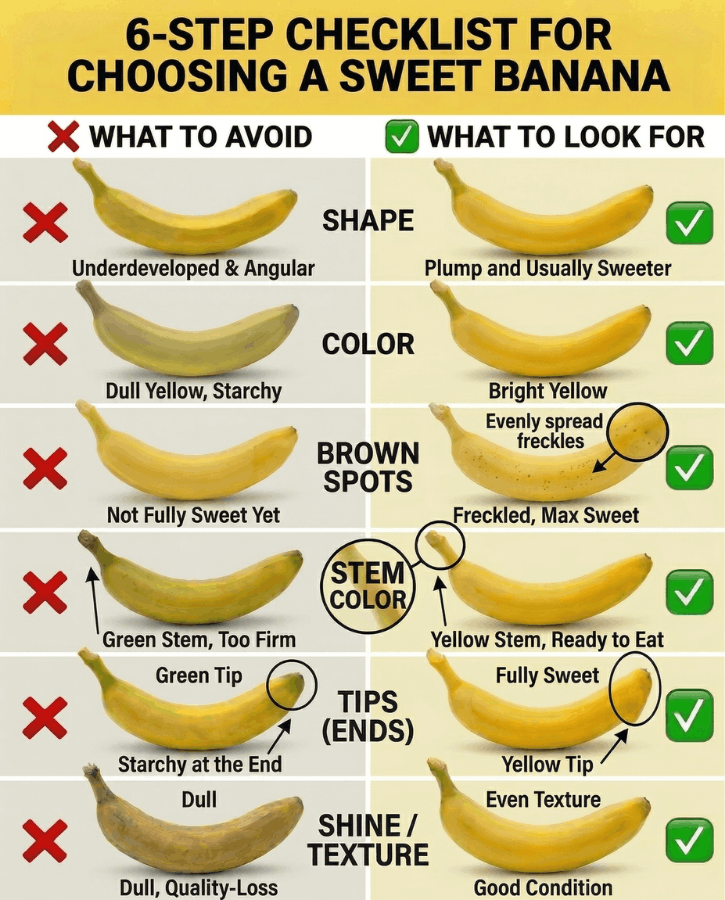
- Shape: Is it rounded and plump? Sharp ridges mean it was picked too early.
- Color: Is it fully yellow or yellow with brown spots? Avoid gray or dull-looking bananas.
- Spots: Are there small brown freckles spread evenly? This means maximum sweetness.
- Stem: Is the stem yellow or light green? A dark green stem means it’s not fully ripe.
- Tips: Are the tips completely yellow? Green tips mean the ends will taste starchy.
- Shine: Does the peel look glossy? A dull appearance may indicate cold damage or moisture loss.
b. Physical Checks
- Firmness: Does it give slightly when you press it gently? It should feel soft but not mushy.
- Stem snap: Does the stem break easily? A tough, bendy stem means underripe fruit.
- Peel adhesion: Does the peel come off easily? If it clings tightly, the banana isn’t ready yet.
c. Aroma Check
- Scent: Does it smell mildly sweet and fruity? No smell or a grassy smell means flat flavor.
d. What to Avoid
- Bananas with sharp angular ridges
- Large, sunken dark spots (signs of physical damage)
- Gray or smoky coloring (signs of cold damage)
- Very firm texture despite yellow color
The Bottom Line
The next time you’re at the store, remember: the “prettiest” banana isn’t always the sweetest. Look for the one with the glossy peel, rounded shape, easy-snapping stem, and those little brown spots.
That’s the banana that has completed its natural journey from starch to sugar, and it will taste the way a banana should.