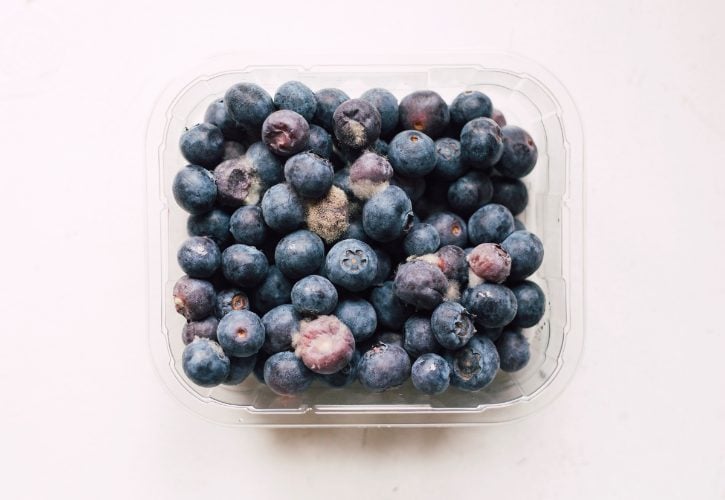
You bring home a container of blueberries that looks perfect. Firm, plump, beautifully blue.
Two days later, you open the fridge and there it is. Fuzzy gray mold spreading through the container.
Most people assume they just bought bad fruit. But here’s the thing. Those berries were probably fine when you brought them home.
The real problem is usually something you’re doing in your own kitchen. And there’s one habit that almost everyone gets wrong.
It seems like the right thing to do. But it’s actually speeding up the mold.
1. The Real Reason Blueberries Mold So Fast
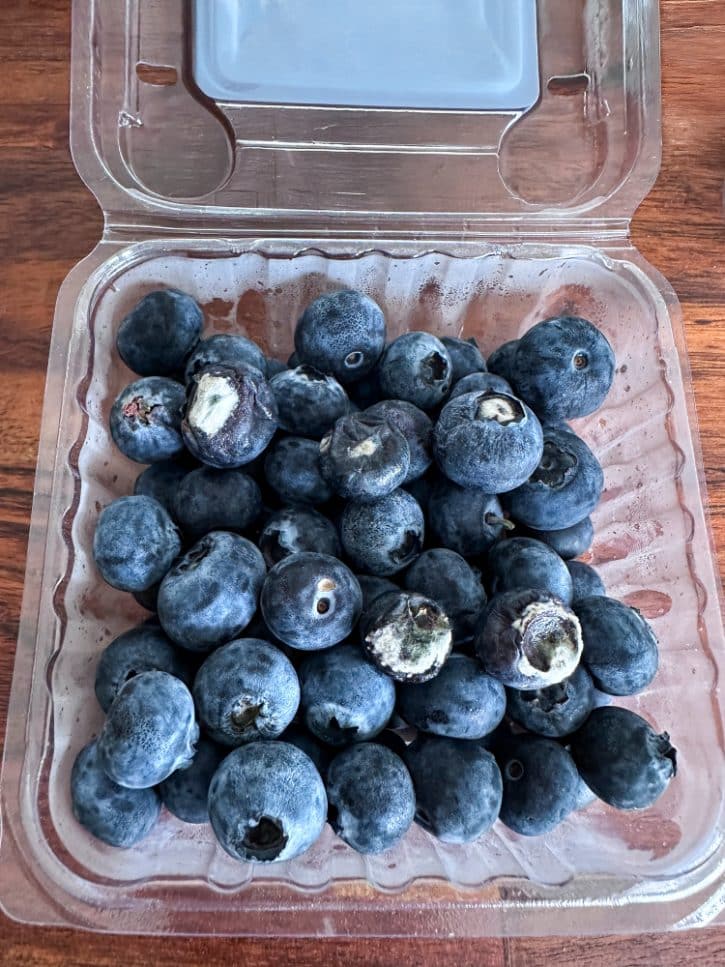
Blueberries are one of the most delicate fruits you can buy. They have thin, fragile skin and a high moisture content, which makes them vulnerable from the start.
But there’s something most people don’t realize.
Blueberries naturally carry tiny, invisible mold spores on their surface. These spores are harmless when conditions are dry. But the moment moisture builds up, they wake up and start spreading fast.
It’s not just about how fresh your berries are. It’s about the environment you put them in.
2. It Usually Starts Here
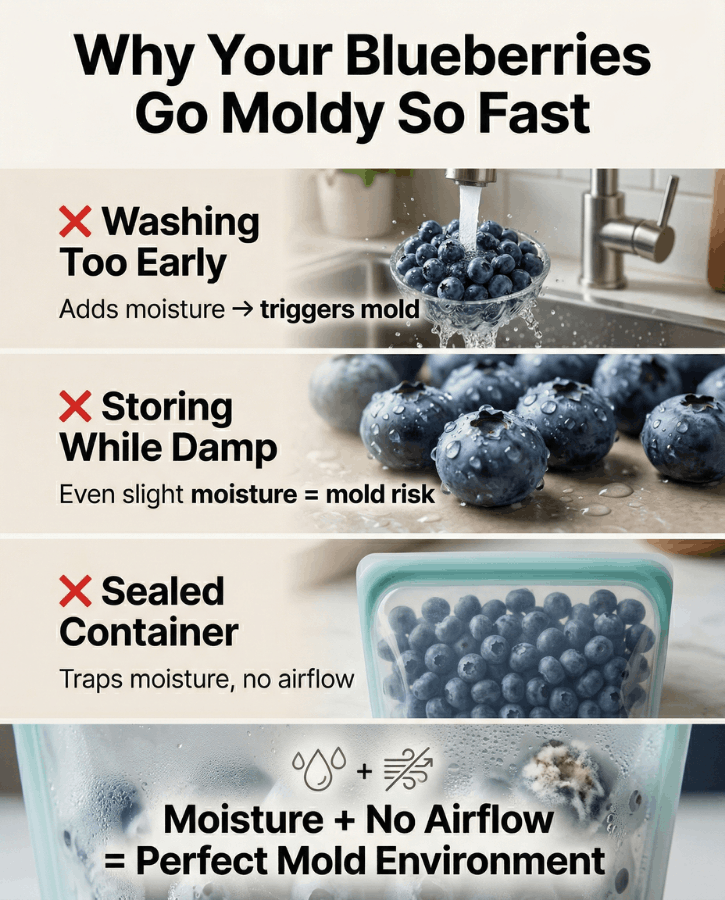
Most mold problems begin with one of these three habits:
- Washing blueberries too early. Rinsing them as soon as you get home seems like a good idea, but it adds moisture that triggers mold.
- Storing them while still damp. Even a little surface moisture creates the perfect conditions for mold to grow.
- Keeping them in a sealed container. Airtight storage traps moisture and blocks airflow.
Here’s what’s happening. Moisture plus low airflow creates a warm, humid environment inside the container. That’s exactly what mold spores need to come alive.
3. Why One Moldy Berry Ruins Everything
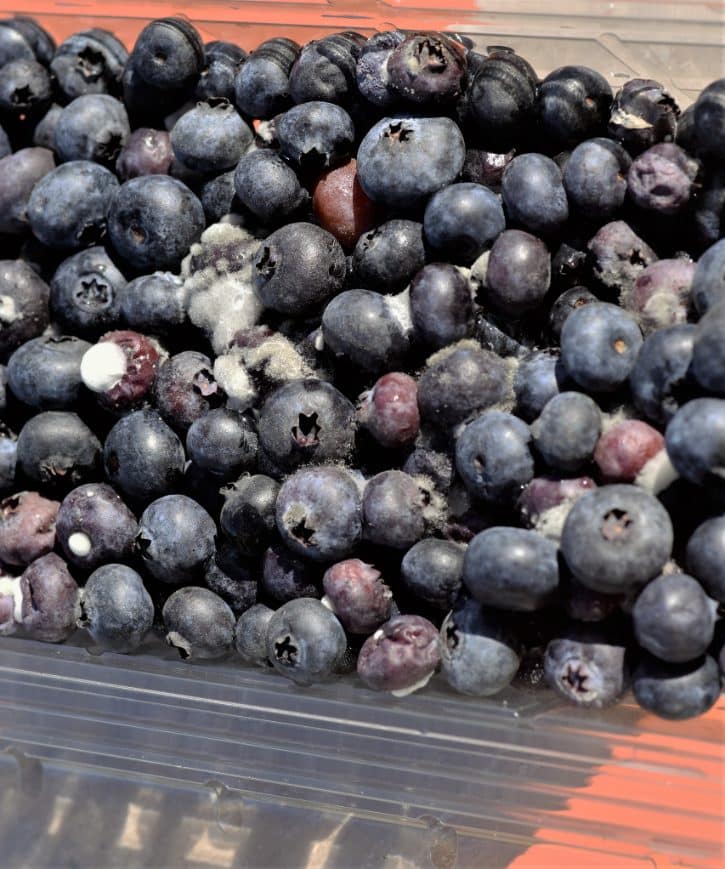
You’ve probably noticed this before. One berry gets moldy, and suddenly half the container is ruined.
This isn’t bad luck. Mold spreads incredibly fast through contact.
When one berry starts to decay, it releases moisture and enzymes that affect the berries around it. The juice creates tiny liquid bridges that carry mold spores from berry to berry. In a tightly packed container, this spreads faster than you might expect.
This is why checking your blueberries before storing them is so important. One soft or damaged berry can take down the whole batch.
4. Should You Wash Blueberries Before Storing?
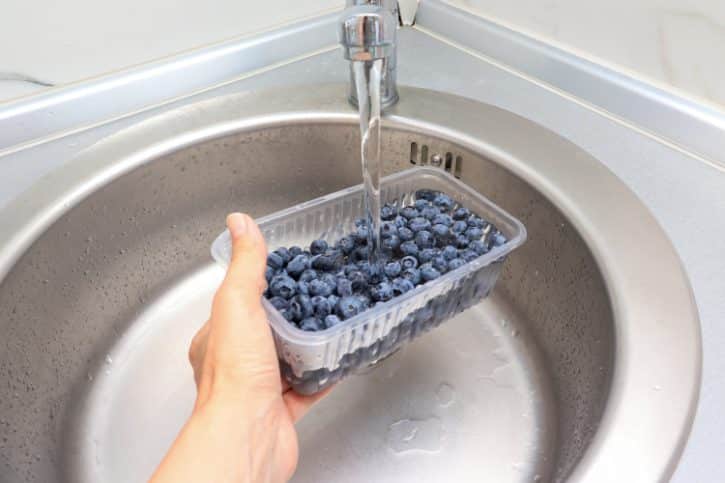
This is one of the most common questions, and there’s a lot of confusion around it.
Some people wash everything as soon as they get home. Others say never wash until you’re ready to eat. So which is right?
The best time to wash blueberries is right before eating them. This keeps them dry during storage, which is the single most important thing for preventing mold.
There is one exception. If you need to wash them earlier, you can, but only if you dry them completely afterward. We’re talking bone dry. A salad spinner works well, or you can spread them on a clean towel and let them air dry before refrigerating.
If they go into the fridge even slightly damp, you’re inviting mold.
5. The Right Way to Store Blueberries
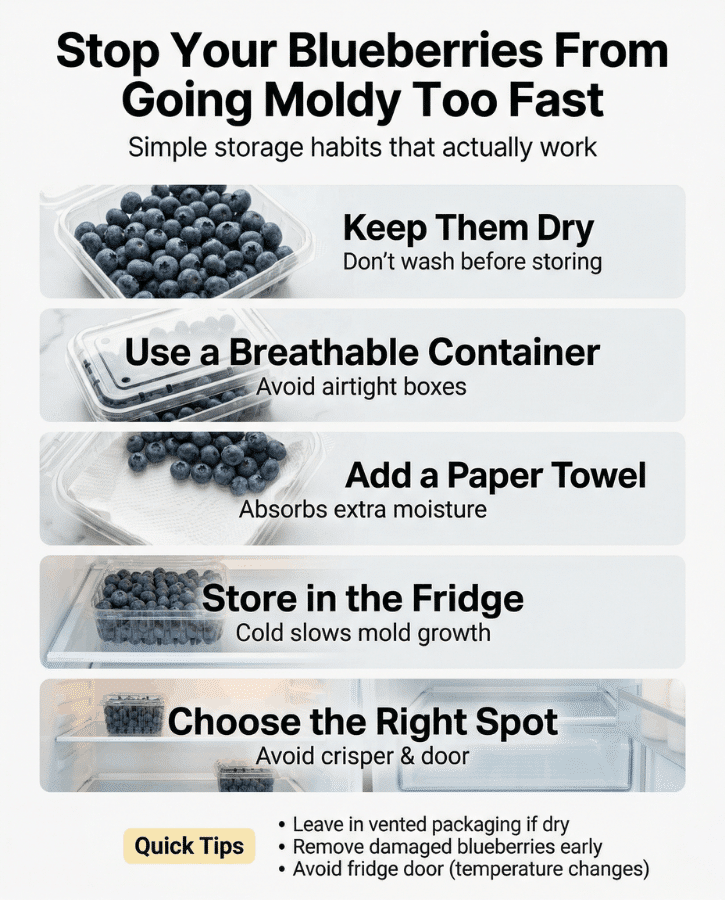
Good storage comes down to a few simple habits:
- Keep them dry. Don’t wash until you’re ready to eat.
- Use a breathable container. Airtight containers trap moisture. A vented container or one with a loose-fitting lid works better.
- Add a paper towel to absorb moisture. This one trick makes a big difference (more on this below).
- Store in the fridge, not on the counter. Cold temperatures slow down mold growth significantly.
What about the original packaging? If it’s a vented clamshell, it’s usually fine to leave them in it. But if you notice any moisture or damaged berries, transfer them to a clean container with a paper towel lining.
Store them in the main body of the fridge, not the crisper drawer. Crisper drawers trap humidity, which is great for leafy greens but bad for berries. The center shelf gives better airflow and a more stable temperature.
Avoid the refrigerator door too. The temperature swings every time you open it, which causes condensation.
6. The Paper Towel Trick (Simple but Powerful)
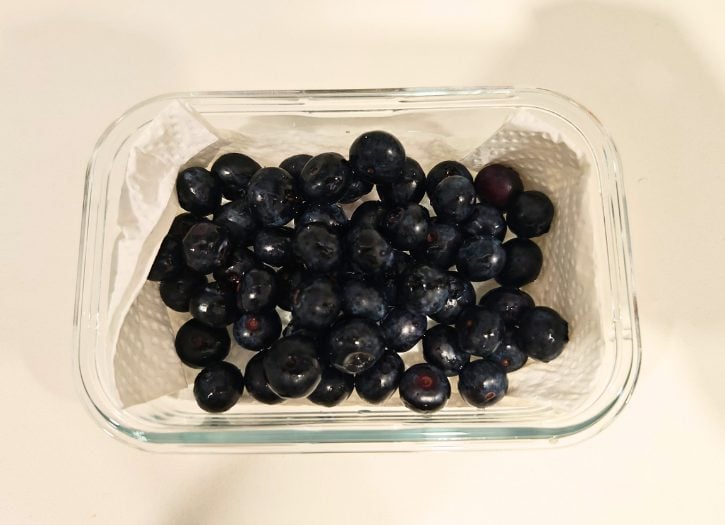
Here’s a simple trick that really works.
Line the bottom of your storage container with a dry paper towel. Then place your blueberries on top in a single layer if possible.
The paper towel absorbs any moisture that builds up from condensation or from the berries themselves. This keeps the surface dry, which is exactly what prevents mold spores from activating.
It’s a small step, but it makes a noticeable difference in how long your blueberries stay fresh.
Use a plain, unbleached paper towel. Avoid newspaper (the ink isn’t food safe) or coffee filters (they’re too dense and can trap moisture instead of absorbing it).
7. How to Pick Blueberries That Last Longer
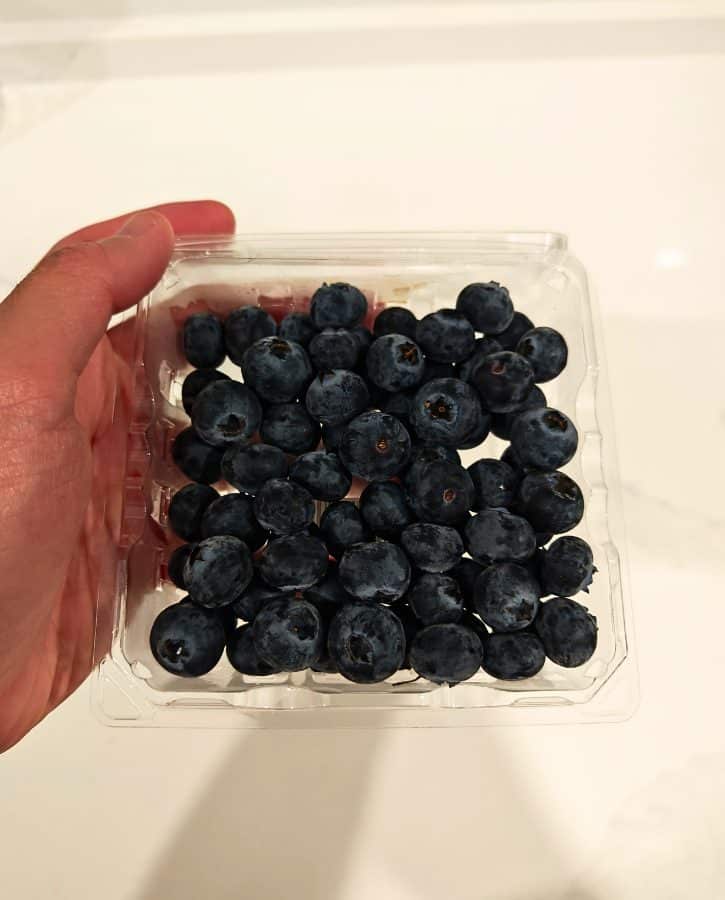
Prevention starts at the store. Choosing the right blueberries makes everything easier.
What to look for:
- Firm, dry berries. They should feel solid, not soft or squishy.
- A dusty white coating (the bloom). This natural waxy layer protects the berry. Shiny berries have lost their bloom and won’t last as long.
- Even, deep blue color. Avoid berries with a reddish or greenish tint, which means they’re underripe and won’t sweeten after picking.
- A dry, tight stem scar. The spot where the stem was attached should be small and dry, not torn or wet.
What to avoid:
- Soft or wrinkled berries
- Any visible mold or fuzz
- Juice stains at the bottom of the container
Here’s a tip most people skip. Always turn the container over and check the bottom. If you see juice stains or crushed berries, that batch has already started to break down. Even if the top layer looks fine, hidden damage underneath can spread mold to the rest.
8. Fridge vs Counter: Where Should You Really Keep Them?
Cold slows everything down. On the counter, blueberries might last one or two days before mold appears. In the fridge, you can stretch that to a week or more.
If you’re eating them the same day, the counter is usually fine. They taste better at room temperature anyway.
For anything longer than a day or two, the fridge is better. Just make sure they’re stored properly, with airflow and no excess moisture.
One thing to avoid: taking them out of the fridge for a few hours and then putting them back. This temperature cycling causes condensation, which creates the moisture mold needs to grow.
9. Can You Save Blueberries After One Gets Moldy?
Yes, but you need to act fast.
Here’s what to do:
- Remove the moldy berry immediately, along with any berries that were touching it.
- Spread the remaining berries out and inspect each one carefully.
- Discard any that feel soft, look wrinkled, or have any signs of damage.
- Use the remaining berries within a day or two. Once mold has appeared in the container, the clock is ticking.
If a large portion of the container is affected, it’s safer to discard the whole batch. Mold can spread beneath the surface, even when you can’t see it.
10. Do Vinegar Washes Actually Help?
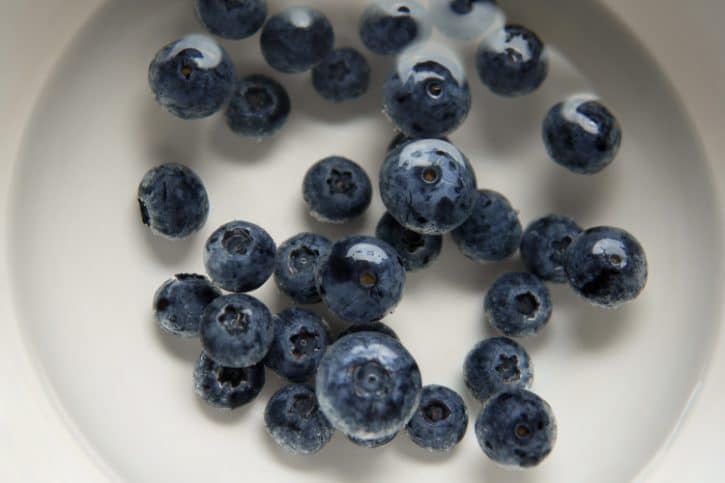
You’ve probably seen this tip online. Soak your berries in a vinegar solution to kill mold and extend their life.
There’s some truth to it. A diluted vinegar wash (about 1 part vinegar to 3 parts water) can remove a significant amount of surface bacteria and mold spores.
But there’s a catch.
Vinegar can soften blueberries if they soak too long. And if you don’t dry them thoroughly afterward, the extra moisture can actually make things worse.
If you want to try it, keep the soak brief (a minute or two), rinse with cold water afterward, and dry them completely before storing. A salad spinner works well for this.
For fresh, high-quality berries that you’re storing properly, a vinegar wash isn’t necessary. It’s more useful as a rescue step for berries that have been sitting around or look questionable.
11. How Long Blueberries Should Actually Last
With proper storage, here’s what you can expect:
- In the fridge: About 5 to 10 days, sometimes longer if stored well
- At room temperature: About 1 to 2 days
Most people don’t get anywhere close to these numbers. The difference usually comes down to moisture control and checking for bad berries early.
If your blueberries are going moldy within two or three days, it’s almost always a storage issue, not bad fruit.
12. What to Remember
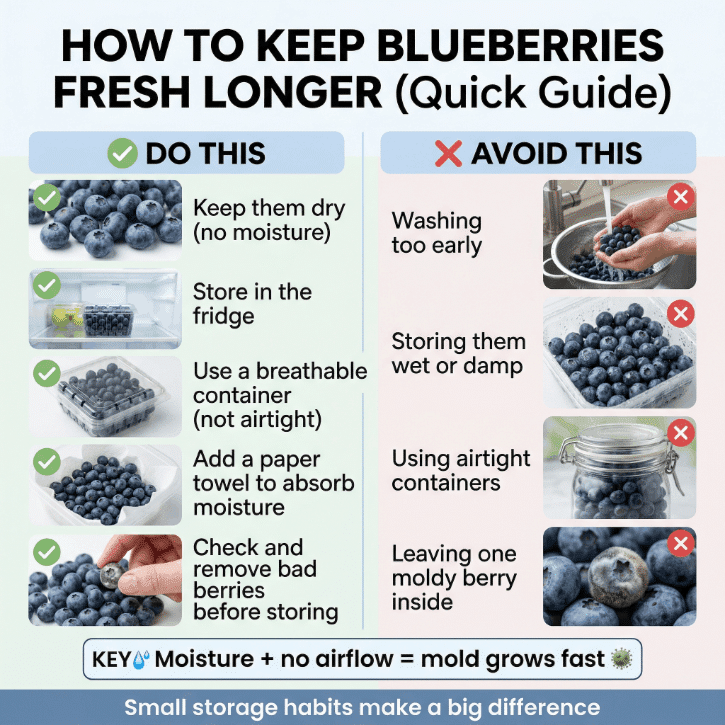
Here’s what to remember:
- Keep them dry. Moisture is the main trigger for mold.
- Don’t wash until you’re ready to eat. If you must wash early, dry them completely first.
- Use airflow. Avoid airtight containers. A vented container or loose-fitting lid is better.
- Line with a paper towel. It absorbs moisture and helps berries last longer.
- Check for bad berries before storing. One moldy berry can spread to the rest.
- Remove moldy berries immediately. And use the rest within a day or two.
- Store in the fridge. The cold slows down mold growth significantly.
Blueberries are delicate, but they don’t have to go bad so quickly. A few small changes in how you store them can make a big difference.