Mangoes might seem straightforward. But here’s what most people don’t realize: they taste completely different depending on the variety.
Some are sweet and creamy. Others are fibrous, bland, or even disappointing.
The problem? Most shoppers pick based on color. A bright red mango looks ripe and delicious. But color has almost nothing to do with flavor.
Supermarkets rarely explain these differences. So people keep grabbing the wrong ones.
Here’s how to pick the right mango every time. 😊
1. Why Mangoes Taste So Different (Most People Don’t Realize This)
Most people assume a mango is a mango. If it’s ripe, it should taste good.
That’s not how it works.
Different mango varieties have genuinely different flavor profiles. The difference isn’t just about ripeness. It’s about the type of mango you’re eating.
Here’s what changes from one variety to another:
- Sweetness level: Some mangoes are intensely sweet. Others are mild or even bland.
- Fiber content: Some are stringy and fibrous. Others are completely smooth.
- Texture: Some feel buttery and creamy. Others are firm or juicy.
- Aroma: Some have a strong tropical perfume. Others are subtle or nearly scentless.
Two mangoes can look almost identical on the outside but deliver completely different eating experiences.
The main takeaway: It’s not just whether a mango is ripe. It’s which type of mango you’re buying.
2. The 5 Mangoes That Taste Completely Different
These are the five mango varieties you’ll most often find at grocery stores. Each one offers a different experience.
a. Tommy Atkins Mango
This is one of the most common mangoes in supermarkets worldwide.
Flavor: Mild and subtly sweet. Lacks depth or aromatic complexity.
Texture: Firm with noticeable fiber. Some people find it stringy.
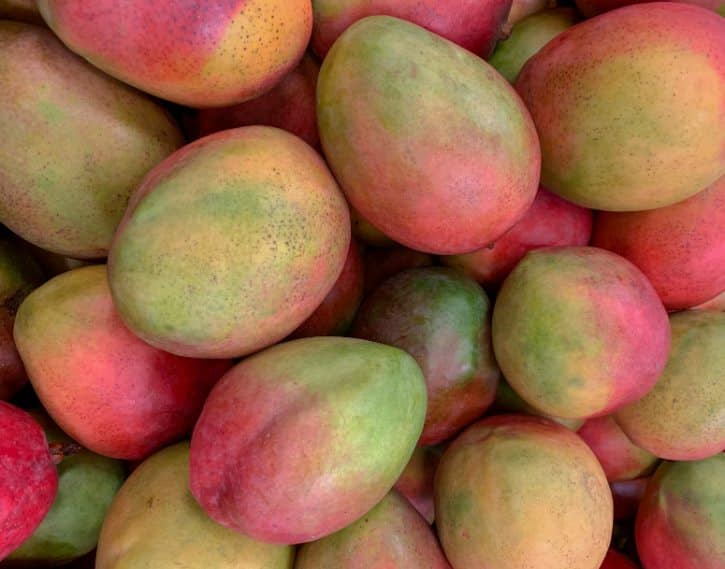
Why people buy it: It looks beautiful. The skin has a deep red and orange color that screams “ripe”.
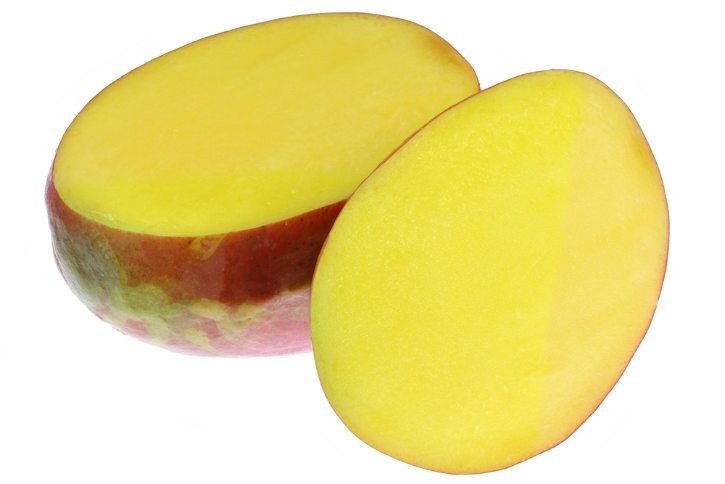
Why people feel disappointed: The flavor often doesn’t match the appearance. If you’ve ever thought “this mango tastes like nothing”, you probably had a Tommy Atkins.
Best use: Holds its shape well for salsas, grilling, or cubing into salads.
b. Ataulfo Mango
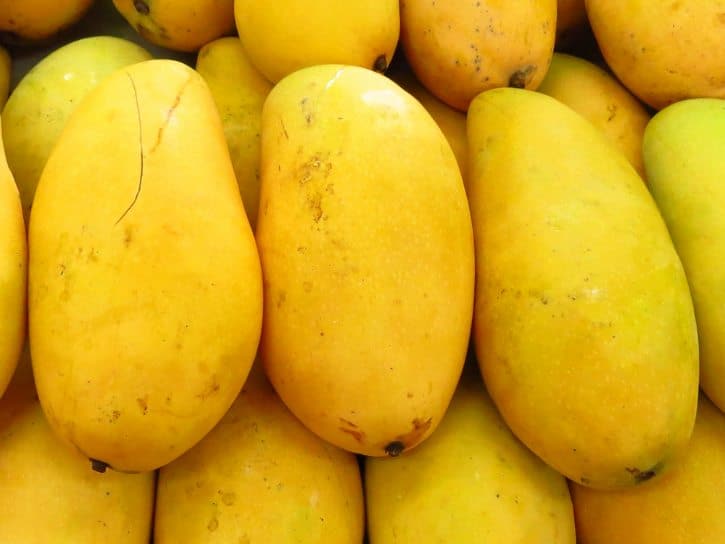
Also sold as “Honey” or “Champagne” mango. This is the favorite of mango lovers who care most about texture.
Flavor: Sweet with refreshing acidity. Notes of peach, vanilla, and honey.
Texture: Completely fiber-free. The flesh is buttery, creamy, and almost custardy. It literally melts in your mouth.
Appearance: Small, kidney-shaped, with yellow skin. No red blush.
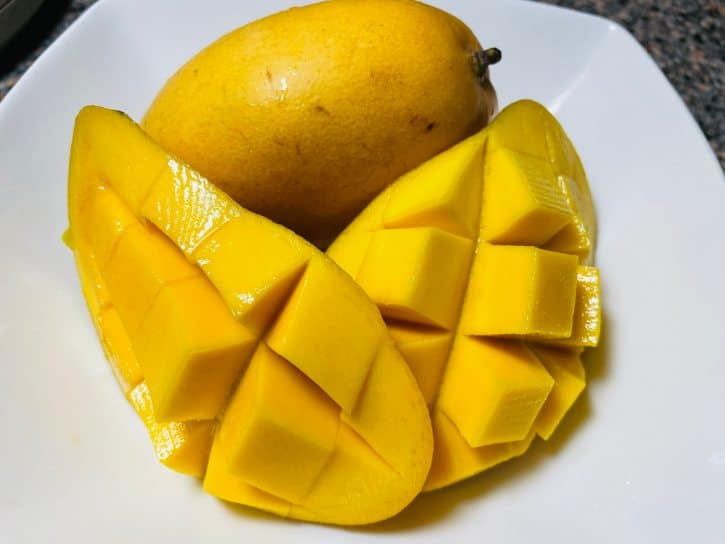
Who will love it: Anyone who wants a smooth, silky mango experience without any stringiness.
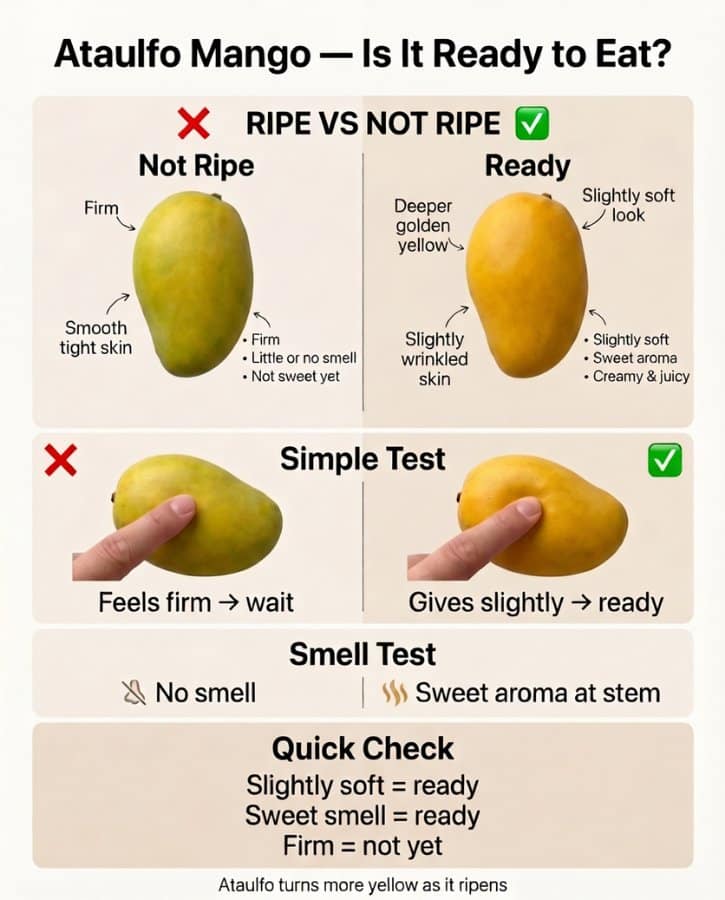
Bonus tip: Unlike most fruits, wrinkled skin on an Ataulfo is actually a good sign. It means the mango has reached peak sweetness.
c. Kent Mango
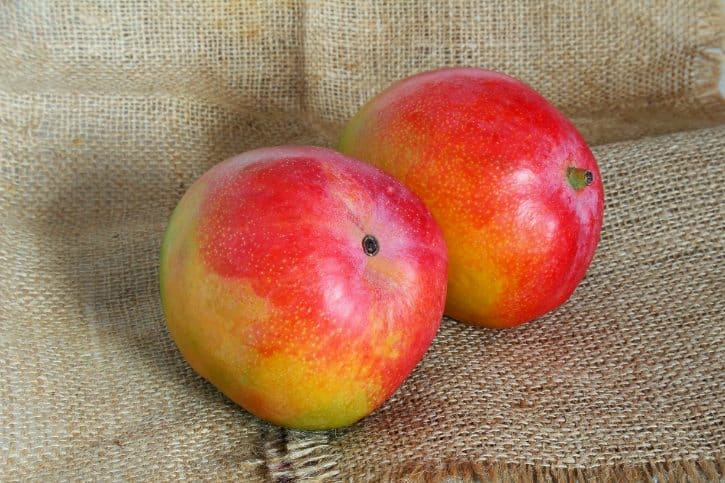
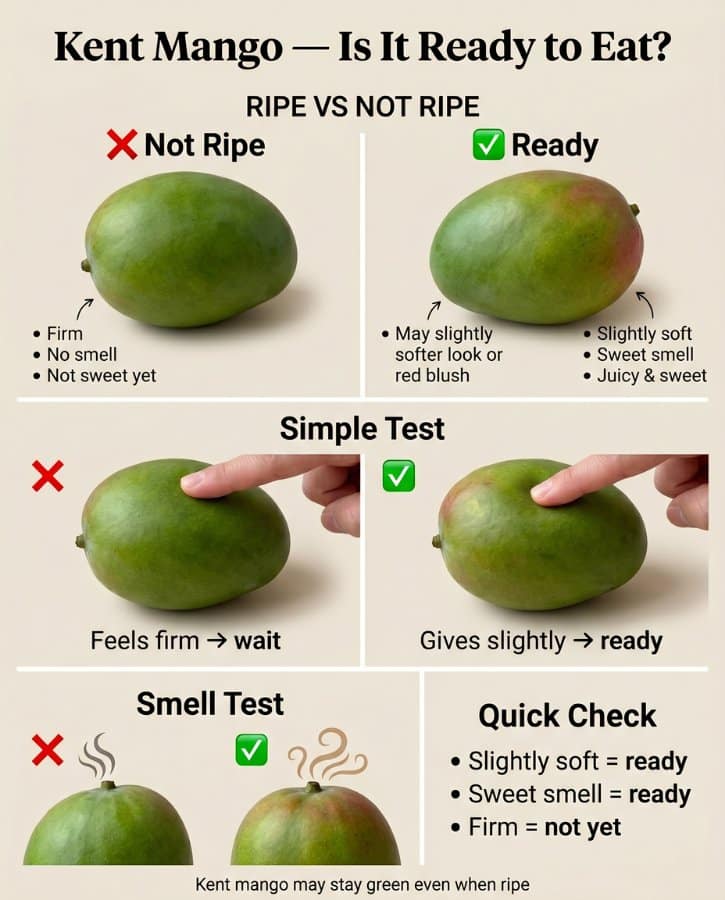
Many produce experts consider the Kent the best-tasting commercial mango.
Flavor: Sweet and rich with peachy undertones and pleasant tropical aroma.
Texture: Tender and juicy with very little fiber. You can eat it with a spoon.
Appearance: Large, oval fruit with dark green skin. May have a red patch, but mostly stays green.
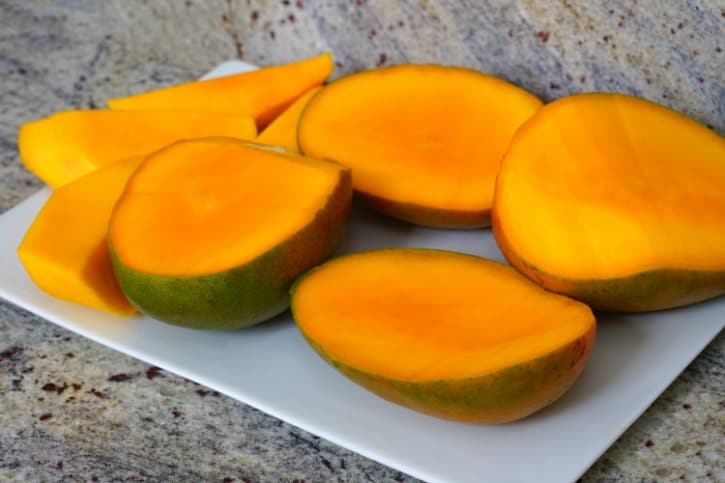
Who will love it: Anyone who wants a juicy, flavorful mango without the stringiness of Tommy Atkins.
Trade-off: Kent mangoes bruise more easily and often cost a bit more because they need careful handling.
d. Keitt Mango
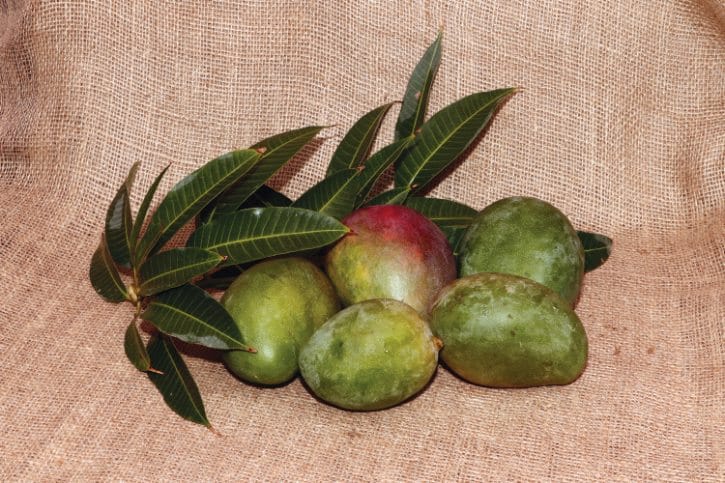
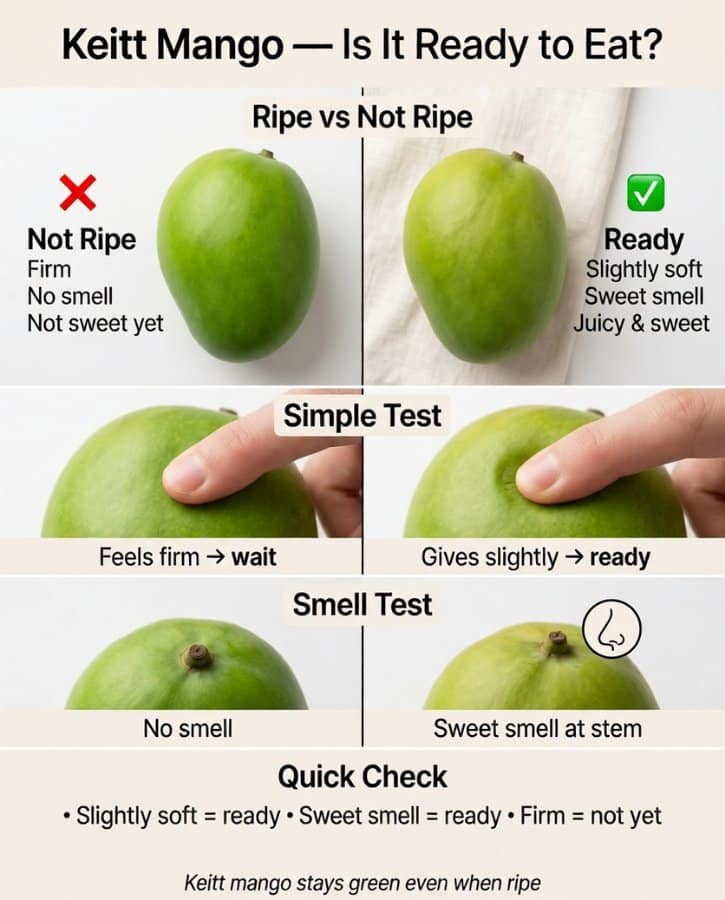
The Keitt is probably the most misunderstood mango in the store.
Flavor: Tangy-sweet with citrus undertones and floral notes.
Texture: Firm and juicy with very little fiber.
Appearance: Large (sometimes over two pounds) with medium to dark green skin.
The catch: The skin stays green even when fully ripe. This confuses many buyers.
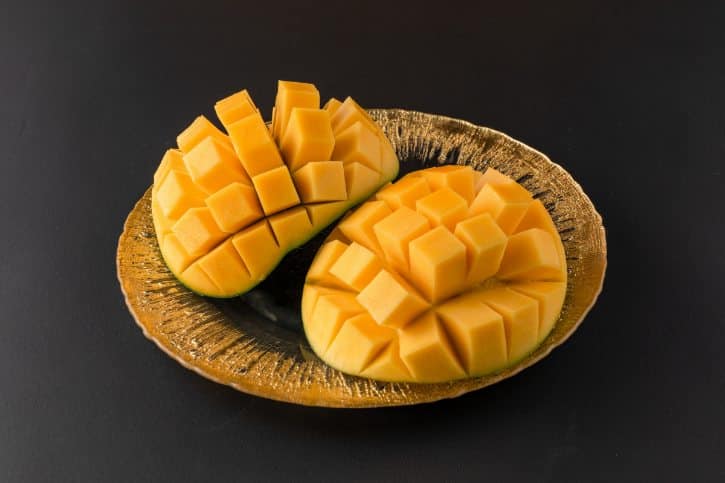
People often leave Keitt mangoes on their counter for days, waiting for them to “turn ripe”. But the color never changes. By the time they give up waiting, the mango has over-ripened.
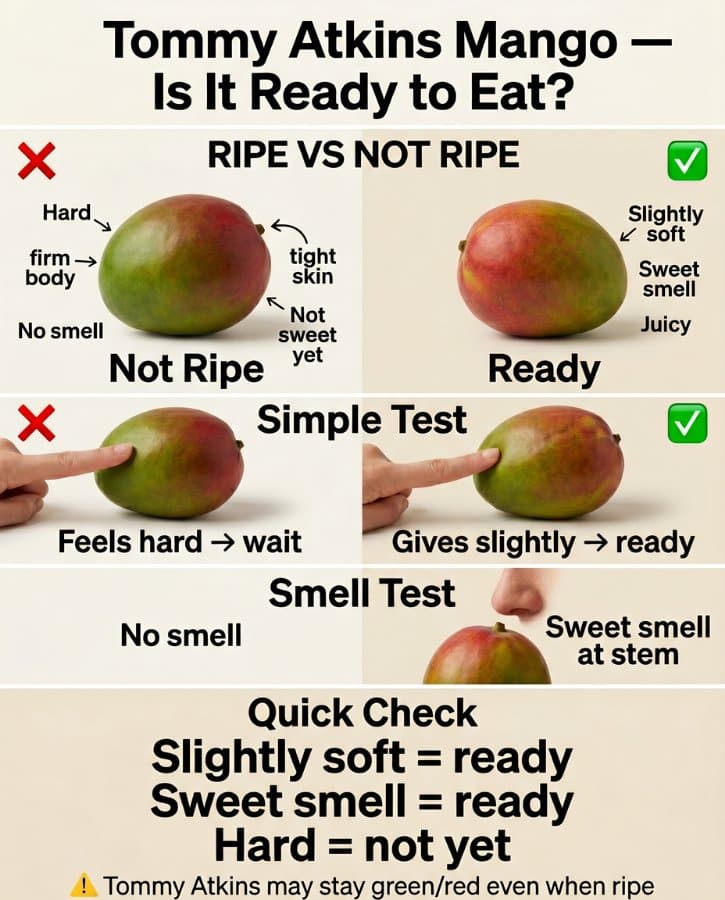
How to tell it’s ready: Ignore the color. Press gently. If it yields slightly, it’s ripe.
e. Haden Mango
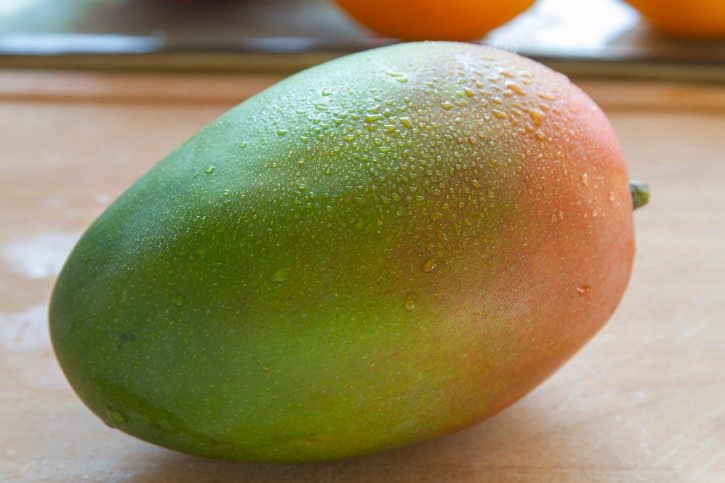
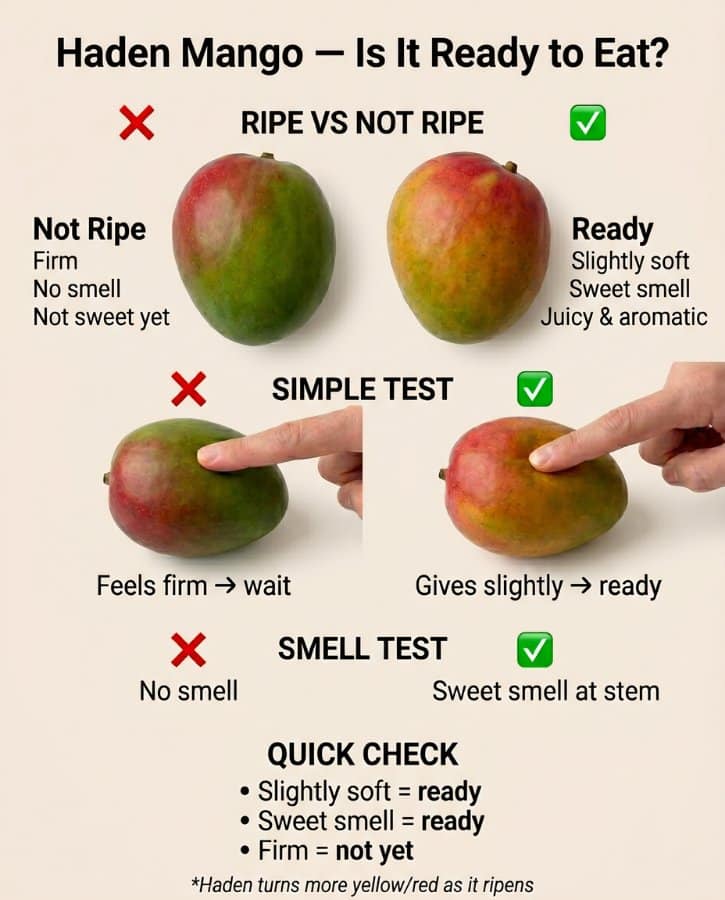
The Haden is the original “pretty” mango that helped establish the commercial mango industry.
Flavor: Complex and bold. A mix of sweet and sour with a strong tropical perfume and hints of spice.
Texture: Firm with fine fibers. Not as smooth as Ataulfo or Kent, but generally pleasant.
Appearance: Bright red skin with yellow and green tones. Small white dots on the surface.
The twist: The beautiful appearance sets high expectations. But the flavor profile is different from what many people expect. It’s more complex and aromatic, with some tartness.
3. The Mistake Most People Keep Making
Here’s the trap almost everyone falls into:
- Picking mangoes based on bright red skin
- Choosing the biggest one
- Assuming if it looks ripe, it tastes good
The reality:
- Red doesn’t mean sweet. The red color on mango skin comes from sun exposure, not sugar content. It has almost no connection to how the mango actually tastes.
- Green mangoes can be sweeter. Varieties like Kent and Keitt stay green when fully ripe and often deliver better flavor than red Tommy Atkins.
- Looks are misleading. The most beautiful mango in the pile might be the most disappointing to eat.
Research shows that up to 90% of quick produce decisions are made based on color alone. This is why people keep picking the “wrong” mango.
They grab the gorgeous red Tommy Atkins while ignoring the plain-looking Keitt that would taste far better.
Another common mistake: Putting unripe mangoes in the refrigerator.
Mangoes are tropical fruits. Cold temperatures damage their flavor. If you refrigerate an unripe mango, you may notice:
- Dull, grayish skin color
- Bland or “off” taste
- Uneven ripening with hard spots that never soften
Only refrigerate a mango after it has fully ripened.
4. How to Pick the RIGHT Mango (Simple Rules)
Stop relying on color. Start using touch and smell instead.
a. Match the Variety to Your Preference
- Want creamy and sweet? Ataulfo is your best choice.
- Want juicy with minimal fiber? Go for Kent or Keitt.
- Need firm mangoes for cooking or grilling? Tommy Atkins holds its shape well.
- Want bold, aromatic flavor? Try Haden if you can find it.
b. Check for Ripeness by Feel
Gently squeeze the mango like you would an avocado or peach.
- Rock hard: Harvested too early. May soften but won’t develop full flavor.
- Firm with slight give: Ready to eat in 2 to 4 days. Will ripen well on your counter.
- Yields to gentle pressure: Ready to eat now. Peak stage for Kent, Keitt, and Haden.
- Very soft: Best for Ataulfo (this is when it gets that honey-like sweetness) or for smoothies and sauces.
c. Smell the Stem End

A ripe, high-quality mango will have a fragrant, tropical scent near the stem.
If a mango feels soft but has no aroma, something went wrong. It may have been stored too cold or harvested too early.
d. Look for Fullness, Not Color
Ignore the red blush. Instead, check the shape.
A mature mango has full, rounded “cheeks” and “shoulders”. If the fruit looks flat or shrunken, it may not have developed properly.
e. Ripen at Room Temperature
Keep firm mangoes on your counter at room temperature. Don’t put them in direct sunlight.
Want to speed up ripening? Place the mango in a paper bag. The fruit releases natural gases that help it ripen faster when concentrated.
After it’s ripe: You can move it to the refrigerator. This extends its life by a few days without damaging the flavor.
Final Thoughts
The most common mango in stores, Tommy Atkins, became popular because it ships well and looks beautiful. Not because it tastes the best.
To experience what a great mango really tastes like, look past the red skin. Seek out Kent for richness, Keitt for tangy sweetness, or Ataulfo for that silky, fiber-free texture.
Pick by feel and smell, not by color.
Sometimes the plainest-looking mango in the pile holds the best surprise.