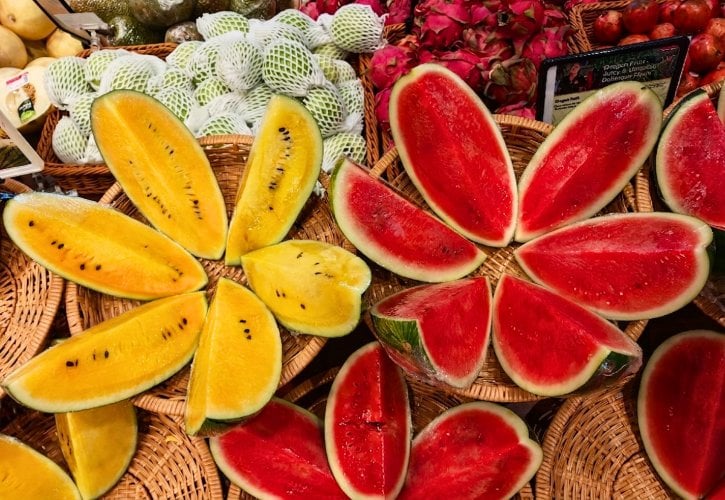
Most people reach for red watermelon without thinking twice. It looks familiar, classic, and safe. Meanwhile, the yellow one sits there, ignored, because the color feels unusual.
But yellow watermelon is not fake, not underripe, and not some strange lab experiment. It is a real variety with a surprisingly different flavor, texture, and sweetness level that most shoppers never get to experience.
So which one actually tastes better? The answer is not as simple as picking a color. And the difference between them goes deeper than most people realize.
Here is what you need to know before your next trip to the store.
1. What Yellow Watermelon Actually Is
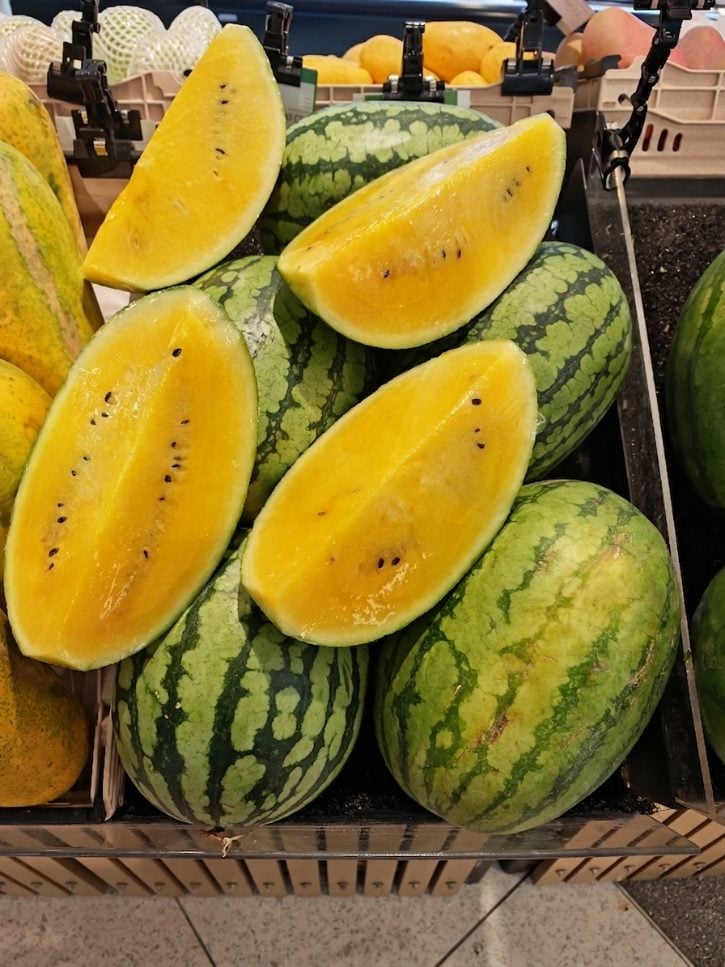
Yellow watermelon is a real type of watermelon with naturally yellow flesh. It is not dyed, chemically changed, spoiled, or unripe.
From the outside, it can look almost identical to a regular red watermelon. Many people only notice the difference after cutting it open.
Just like red watermelon, some yellow varieties have seeds and some are seedless. Both types exist in the same way.
Yellow watermelon has actually been around for a very long time. It is not a modern supermarket trend or a new invention.
In fact, yellow-fleshed watermelons are among the oldest varieties of the fruit, with roots going back thousands of years.
The key point: The yellow color is simply a natural flesh-color difference, not a warning sign.
2. Why Some Watermelons Are Yellow Inside
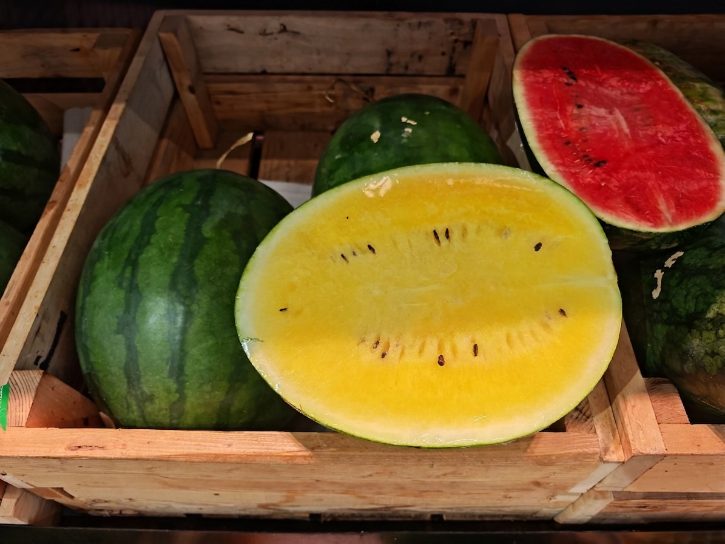
Red watermelon gets its red color mainly from a natural pigment called lycopene. This is the same compound that gives tomatoes their red color.
Yellow watermelon has much less of this red pigment. Instead, it contains other natural pigments like beta-carotene, the same compound found in carrots and sweet potatoes. That is what gives the flesh its golden or yellow appearance.
Here is the part most people miss. The yellow color does not mean the watermelon is less ripe. A ripe yellow watermelon can be fully sweet even though it does not have the deep red color people usually expect.
A simple way to think about it is this: color tells you the variety, not automatically the sweetness.
Once you understand that, you can stop using red color as your only sign of a good watermelon.
3. The Biggest Mistake: Thinking Red Means Sweeter
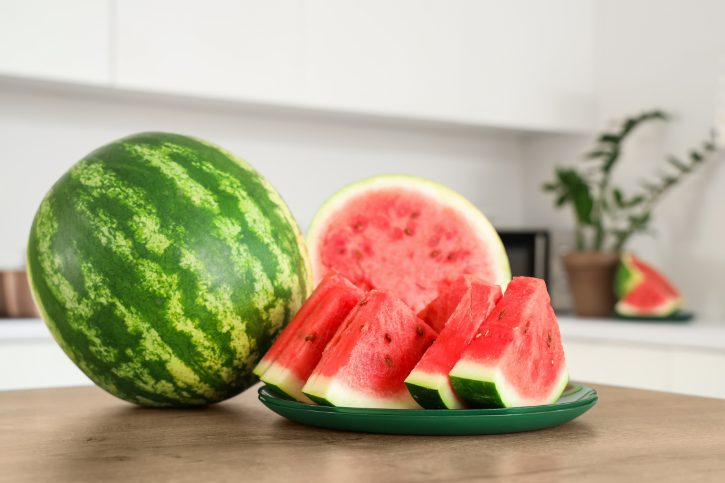
Many people believe that the darker the red, the sweeter the watermelon. This is one of the most common mistakes shoppers make.
Red color can suggest ripeness in red-flesh varieties, but it does not guarantee the best flavor.
Sweetness depends on several things:
- The specific variety of watermelon
- Growing conditions like soil, water, and sun
- When it was harvested
- How it was stored after harvest
- How ripe it actually is
A pale, watery red watermelon can taste bland and disappointing. Meanwhile, a ripe yellow watermelon can taste very sweet even if it looks less familiar.
The practical insight: Judge watermelon by ripeness signs, not just flesh color. Red looks familiar, but yellow can surprise you.
4. Yellow vs Red Watermelon: The Real Taste Difference
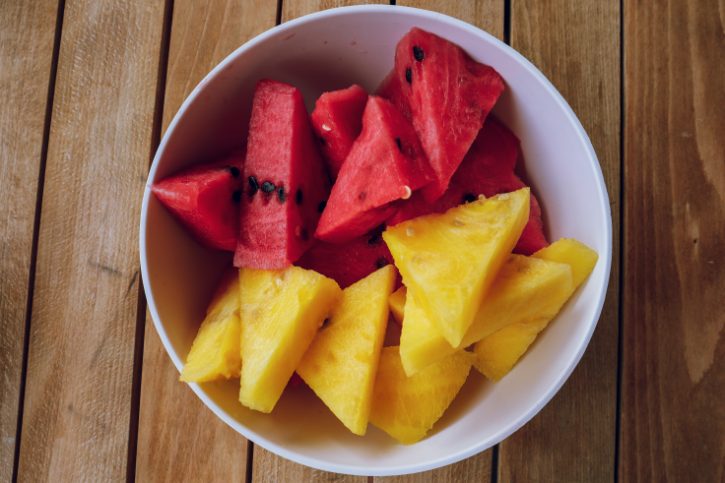
This is where the comparison gets interesting. The two types taste noticeably different, and knowing what to expect helps you pick the one you will enjoy more.
Red watermelon usually tastes:
- Classic watermelon flavor that most people recognize
- Fresh, juicy, crisp, and refreshing
- Sometimes slightly berry-like or candy-like when very ripe
- Watery or flat if it was harvested too early
Yellow watermelon usually tastes:
- Often sweeter or more mellow than red
- Less like the “classic watermelon” flavor
- Sometimes honey-like, tropical, or slightly floral
- Smoother and softer in flavor
- Less sharp and more dessert-like to some people
Important note: Not every yellow watermelon is sweeter than every red one. The best yellow watermelon tastes better only when it is ripe and from a good variety. Keep that in mind when comparing.
5. Texture Difference: Crisp, Soft, Juicy, or Grainy?
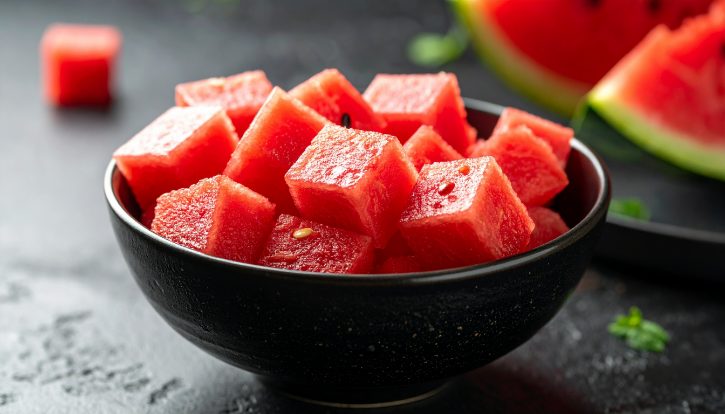
Taste is only part of the experience. Texture matters too, and these two watermelons feel different in your mouth.
Red watermelon often has a crisp, juicy bite when fresh. The first bite releases a lot of water, which gives it that refreshing feeling people love.
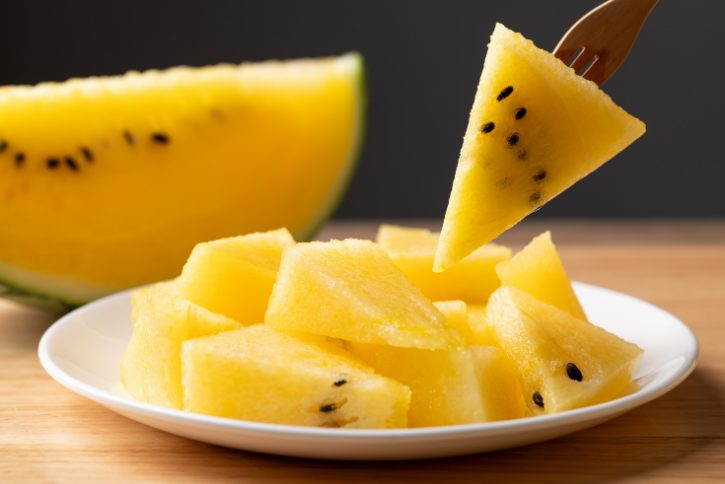
Yellow watermelon can sometimes feel softer, smoother, or more tender. Some people describe it as slightly denser or creamier than red watermelon. Certain yellow varieties may feel a bit less crunchy than the classic red.
This is where shoppers often get confused. Texture depends heavily on the specific variety and how fresh the watermelon is.
Overripe watermelon, whether yellow or red, may become mushy, mealy, or grainy. Underripe watermelon may feel firm but taste bland.
The takeaway: Texture is part of the eating experience, not just sweetness. A good watermelon should feel right in your mouth, not just taste sweet.
6. Which One Is Usually Sweeter?
This is the question most people want answered, so let’s get right to it.
Yellow watermelon can taste sweeter to some people because the flavor is often mellow and honey-like. It does not have the tangy edge that red watermelon sometimes has.
But red watermelon can also be extremely sweet when it is fully ripe. Some red varieties are bred specifically for high sugar content.
Sweetness is not decided by color alone. Variety matters a lot.
A well-grown, ripe yellow watermelon may easily beat a bland red one. But a perfectly ripe red watermelon may also beat an average yellow one.
Yellow watermelon is not always sweeter, but the right one can taste surprisingly sweeter than people expect.
7. Why Yellow Watermelon Can Taste Better to Some People
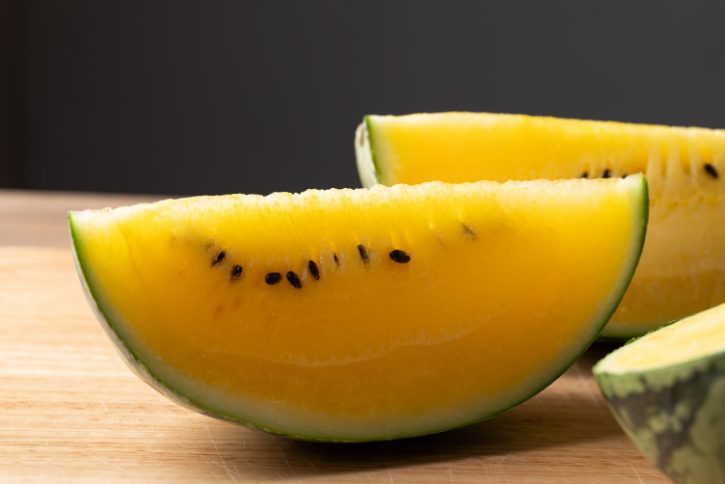
So why does the “ignored” option sometimes win?
Some people prefer yellow watermelon because the flavor feels smoother and less watery. Instead of the typical red watermelon taste, it offers a more honey-like sweetness that feels different and more interesting.
It can feel more unusual and memorable because people simply do not expect that taste from a watermelon. The surprise factor makes it feel more special.
Yellow watermelon may especially appeal to people who find red watermelon too plain or too watery. If you have ever bitten into a red watermelon and thought it tasted like flavored water, yellow watermelon may change your mind.
It can be especially good when chilled, because the sweetness feels clean and refreshing without being overly sharp.
8. How to Pick a Good Yellow Watermelon
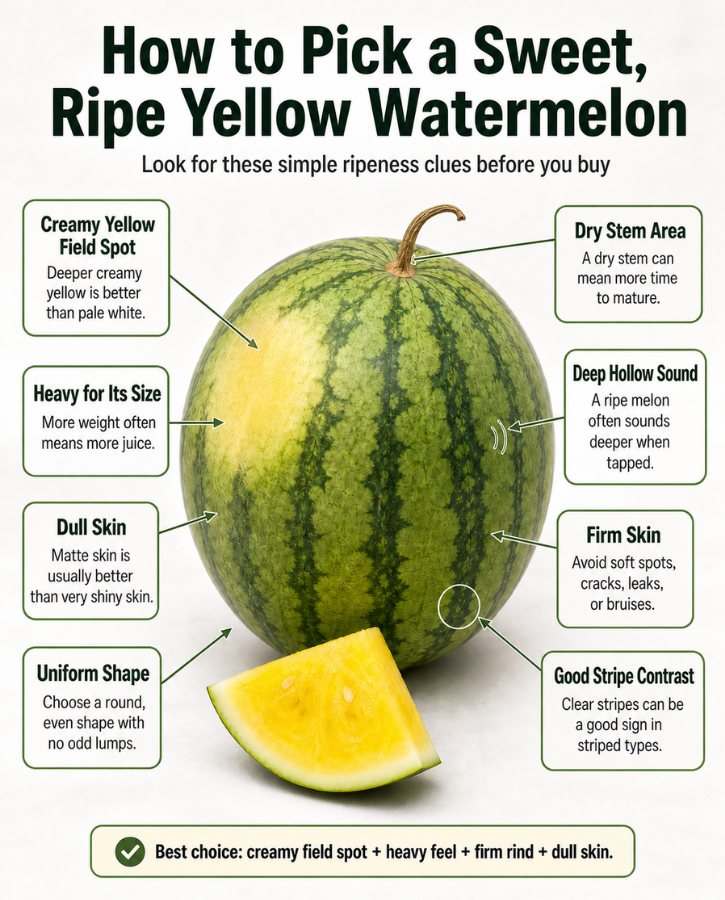
Yellow watermelon should be picked using many of the same ripeness signs as red watermelon.
Some stores display a cut sample or label the flesh color, which makes it easier to spot. But if the melon is whole and uncut, focus on these external checks:
- Creamy yellow field spot: Look at the spot where the melon rested on the ground. A deep creamy yellow spot is usually better than a pale white spot.
- Heavy for its size: Pick it up and compare it to others of a similar size. More weight usually means more juice.
- Dull skin: Very shiny skin may suggest the watermelon is underripe. A ripe melon tends to have a more matte appearance.
- Uniform shape: Avoid odd lumps, dents, or uneven growth. A symmetrical shape suggests it grew evenly.
- Dry stem area: A dry-looking stem can suggest the melon had more time to mature on the vine.
- Deep, hollow sound: Tap the watermelon. A ripe melon often gives a deeper, hollow sound. A high-pitched sound may mean it is underripe.
- Firm skin: Avoid soft spots, cracks, leaking juice, or bruised areas. The rind should feel solid.
- Good stripe contrast: In striped varieties, clear and well-defined striping can be a good sign.
Read More: 10 Signs That Tell You a Watermelon Is Sweet
Final Takeaway: Don’t Ignore the Yellow One
Red watermelon is familiar, classic, and refreshing. There is nothing wrong with choosing it.
But yellow watermelon is often overlooked only because it looks different. Not because it tastes worse. Yellow does not mean fake, unripe, or strange.
The best choice depends on ripeness, variety, freshness, and your personal taste. Both can be excellent when you pick the right one.
If you see a good yellow watermelon, do not skip it just because it looks unfamiliar. The right one may be sweeter, softer, and more surprising than you expect.